
As digital transformation accelerates worldwide, IT infrastructure is under increasing pressure to deliver speed, reliability, and security. One essential component supporting this growth is the network cabinet. Used to house servers, switches, and networking equipment, it plays a critical role in keeping systems organized, protected, and efficient.
In 2026, the network cabinet market is evolving rapidly due to new technologies, rising data demands, and sustainability goals. This article highlights seven key updates shaping the industry.
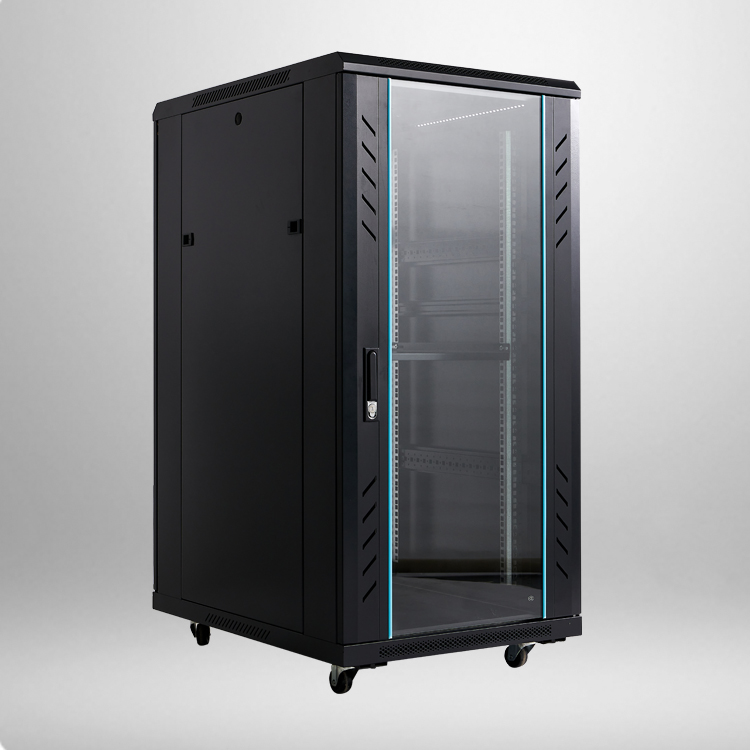
Rising Demand from Data Centers
The expansion of data centers is one of the biggest drivers in 2026. Cloud computing, artificial intelligence, and streaming services are increasing the need for reliable infrastructure.
A network cabinet is essential in organizing and protecting critical equipment in these facilities. As more data centers are built or upgraded, demand for high-quality cabinets continues to grow.
Hyperscale data centers, in particular, require standardized and scalable cabinet solutions to manage thousands of devices efficiently.
Improved Cooling and Airflow Design
Addressing Heat Management Challenges
Modern IT equipment generates significant heat, making cooling a top priority. In 2026, manufacturers are focusing on better airflow design in network cabinets.
Innovations include:
- Perforated doors for improved ventilation
- Integrated cooling systems
- Optimized internal layouts
Benefits for Businesses
Better cooling improves equipment performance and reduces the risk of overheating. It also helps lower energy consumption, which is important for both cost savings and environmental goals.
Smart Cabinets with Monitoring Features
Technology is making network cabinets smarter. Many new models now include built-in monitoring systems that track temperature, humidity, and equipment status.
These smart features allow IT teams to:
- Monitor conditions in real time
- Receive alerts for potential issues
- Improve maintenance planning
As a result, businesses can reduce downtime and improve system reliability.
Increased Focus on Security
With rising cyber threats and physical security concerns, protecting IT equipment is more important than ever. In 2026, network cabinet designs include enhanced security features.
Key Security Improvements
- Advanced locking systems
- Access control integration
- Tamper detection
These features help prevent unauthorized access and protect sensitive data infrastructure.
Modular and Customizable Designs
Flexibility is becoming a key requirement for modern IT environments. Companies need solutions that can adapt to changing needs.
Manufacturers are offering modular network cabinet designs that allow users to:
- Add or remove components easily
- Adjust configurations
- Scale infrastructure over time
Customization options ensure that cabinets fit specific industry requirements, from small offices to large data centers.
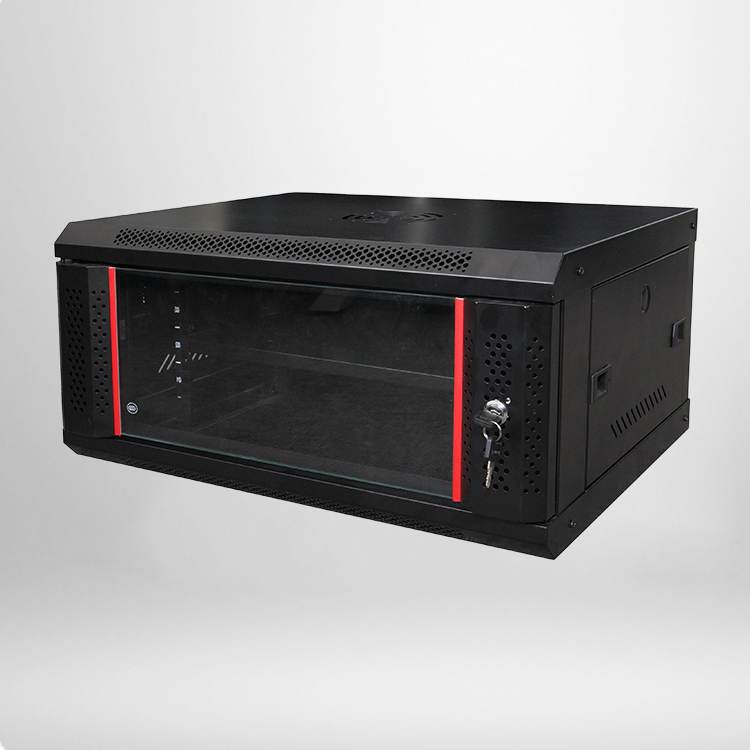
Sustainability and Energy Efficiency
Environmental concerns are shaping purchasing decisions in 2026. Companies are looking for eco-friendly IT solutions, including network cabinets.
Manufacturers are responding by:
- Using recyclable materials
- Designing energy-efficient cooling systems
- Reducing manufacturing waste
Sustainable designs not only support environmental goals but also help businesses meet regulatory requirements.
Growth in Edge Computing Infrastructure
Edge computing is expanding rapidly, bringing data processing closer to users. This trend requires smaller, distributed IT setups instead of centralized data centers.
Network cabinets designed for edge environments are:
- Compact and durable
- Easy to install in remote locations
- Built for harsh conditions
This shift is creating new opportunities in the market and increasing demand for specialized cabinet solutions.
Conclusion
The network cabinet market in 2026 is shaped by rapid technological change and growing demand for reliable IT infrastructure. From smarter designs and better cooling to enhanced security and sustainability, these updates highlight a dynamic and evolving industry.
Businesses that invest in modern network cabinet solutions will be better equipped to handle increasing data demands, improve efficiency, and ensure long-term performance. As digital infrastructure continues to expand, the importance of network cabinets will only grow.

FAQs
What is a network cabinet used for?
A network cabinet is used to store and organize networking equipment such as servers, switches, and cables, while providing protection and proper airflow.
How do I choose the right network cabinet?
Consider factors like size, cooling options, security features, and compatibility with your equipment. Scalability is also important for future growth.
Are network cabinets important for small businesses?
Yes, even small businesses benefit from using a network cabinet to keep equipment organized, सुरक्षित, and running efficiently.