
In modern IT infrastructure, network cabinet and server cabinet are two essential enclosures used to store and protect equipment. While they may look similar at first glance—both follow the standard 19-inch width design—they serve different purposes and have distinct features. Understanding their differences is crucial for IT professionals, small business owners, and anyone managing IT equipment, as it ensures you choose the right cabinet for your specific needs.
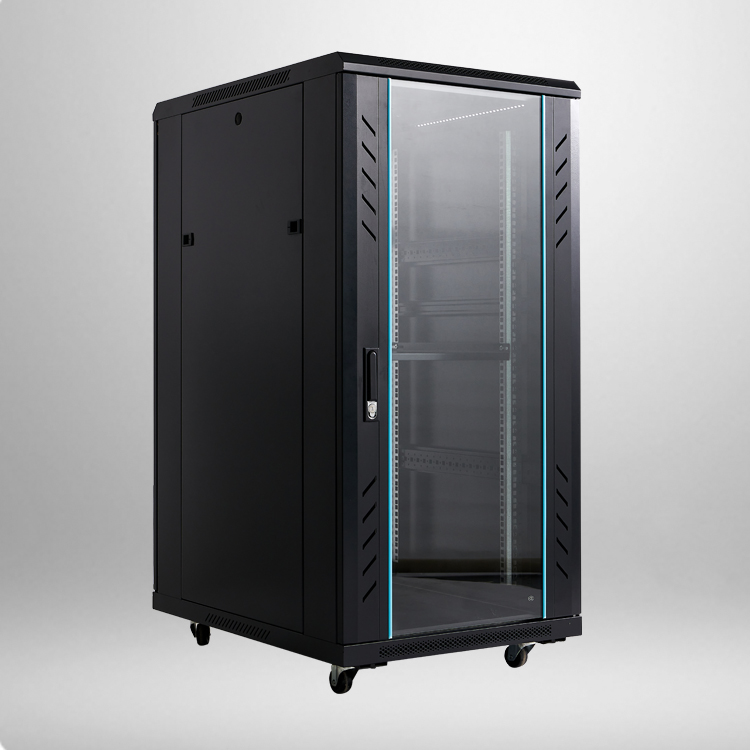
1. Basic Definitions: What Are Network Cabinet and Server Cabinet?
Before diving into their differences, it’s important to clarify what each cabinet is and its core function. Both are metal enclosures designed to organize IT equipment, but their focuses and capabilities vary significantly.
1.1 What Is a Network Cabinet?
A network cabinet is a specialized enclosure designed to house, organize, and protect network equipment such as switches, routers, patch panels, and cable management accessories. It is primarily used to manage the connectivity of IT systems, ensuring that network devices are securely stored and cables are neatly organized. Network cabinets are often compact, with a focus on easy access to equipment and simplified cable management, making them ideal for small to medium-sized network environments like offices, retail stores, and small server rooms.
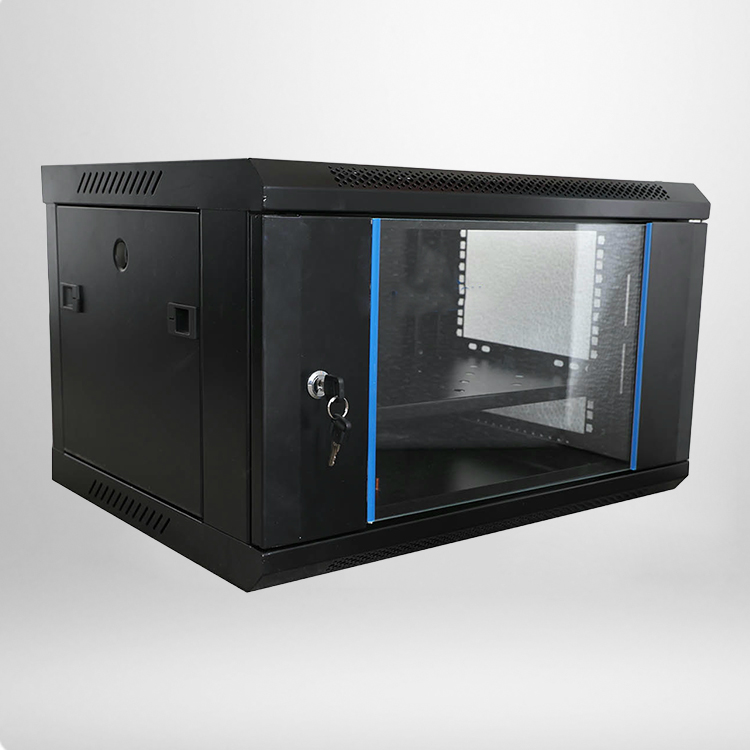
1.2 What Is a Server Cabinet?
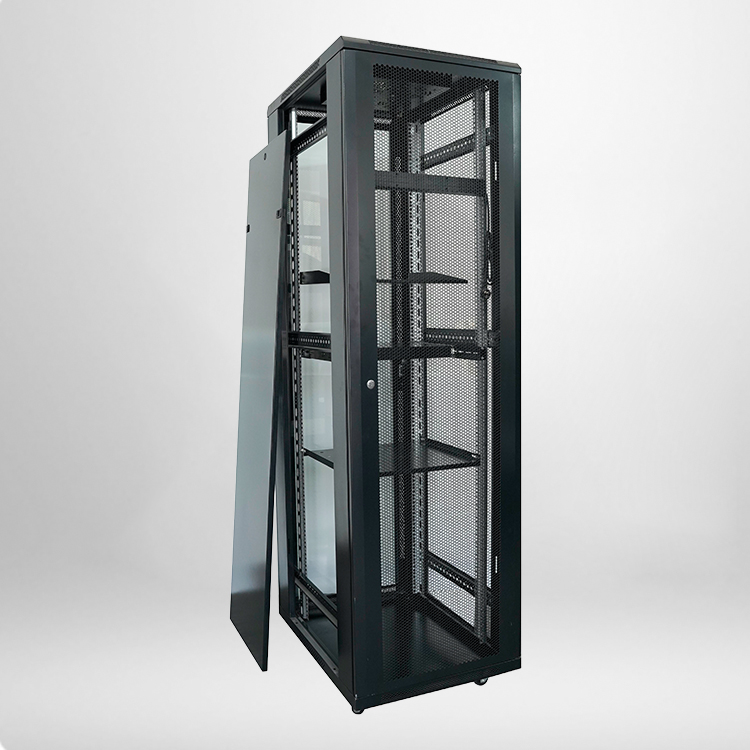
A server cabinet, on the other hand, is built to house heavy, high-performance equipment like servers, storage devices, and power distribution units (PDUs). Servers generate more heat and are heavier than most network devices, so server cabinets are designed with enhanced cooling, higher weight capacity, and better physical protection. They are commonly used in data centers, large enterprise server rooms, and environments where high-density computing equipment is deployed.
2. Key Differences Between Network Cabinet and Server Cabinet
The differences between network cabinet and server cabinet lie in their design, features, and intended use. Below is a detailed parameter table summarizing their core specifications, followed by the most important distinctions to help you tell them apart.
|
Specifications
|
Network Cabinet
|
Server Cabinet
|
|---|---|---|
|
Depth Range
|
600mm – 800mm
|
800mm – 1200mm+
|
|
Weight Capacity
|
750kg – 1000kg
|
1000kg – 3000kg+
|
|
Cooling System
|
Basic ventilation (perforated doors, small fans); solid glass doors optional
|
Perforated front/rear doors, built-in fans, integrated liquid cooling; hot-swappable fans optional
|
|
Security Features
|
Basic lockable doors
|
Electronic locks, biometric access, security monitoring integration, tamper-proof design
|
|
Common Height (U)
|
12U – 24U
|
24U – 42U+
|
2.1 Purpose and Equipment Compatibility
The biggest difference between the two is their primary purpose. A network cabinet focuses on network connectivity equipment. It is designed to hold lightweight devices like switches and routers, which do not generate much heat and have lower power requirements. These cabinets prioritize cable management to keep network cables organized, reducing clutter and making maintenance easier.
A server cabinet, by contrast, is built for heavy-duty computing equipment. Servers, storage arrays, and PDUs are larger, heavier, and produce significant heat during operation. As a result, server cabinets are designed to support these demands, with features that prioritize cooling, weight capacity, and security to protect critical computing infrastructure.
2.2 Size and Depth
Size, especially depth, is another key difference. Network cabinets are typically shallower, with depths ranging from 600mm to 800mm. This shallow design is sufficient for lightweight network devices, which are often smaller and do not require much depth. Shallow cabinets also save space, making them ideal for small offices or areas where floor space is limited.
Server cabinets are deeper, usually ranging from 800mm to 1200mm or more. The extra depth is necessary to accommodate the larger size of servers and storage devices, as well as to provide space for cable management and airflow. Deeper cabinets also allow for better heat dissipation by creating more room for air circulation around the equipment.
2.3 Cooling and Ventilation
Cooling is a critical feature for both cabinets, but server cabinets require more advanced cooling systems. Network devices generate minimal heat, so network cabinets often have basic ventilation, such as perforated doors or small fans, to keep the equipment cool. Some network cabinets may even have solid glass doors for easy visibility of equipment status without the need for advanced cooling.
Server cabinets, however, need robust cooling to handle the high heat output of servers. They often feature perforated front and rear doors, built-in fans, or even integrated liquid cooling systems to maintain optimal operating temperatures. Proper airflow is essential to prevent server overheating, which can cause equipment failure and data loss. Many server cabinets also support hot-swappable fans for easy maintenance without shutting down equipment.
2.4 Weight Capacity
Weight capacity is another important distinction. Network cabinets are designed to hold lightweight equipment, so their weight capacity is typically lower—usually between 750kg and 1000kg. This is sufficient for switches, routers, and patch panels, which are relatively light.
Server cabinets, on the other hand, must support much heavier equipment. Servers and storage devices can be very heavy, so server cabinets have reinforced frames and adjustable mounting rails with a weight capacity of 1000kg to 3000kg or more. This ensures the cabinet remains stable and secure even when fully loaded with heavy equipment.
2.5 Security Features
Both cabinets offer basic security features, but server cabinets often have more advanced security to protect critical data and equipment. Network cabinets typically have simple lockable doors to prevent unauthorized access, which is sufficient for most office environments where network equipment is not highly sensitive.
Server cabinets, however, often include more robust security features such as electronic locks, biometric access, or integration with security monitoring systems. This is because servers store sensitive data and are critical to business operations, so preventing unauthorized access is a top priority. Some server cabinets also have tamper-proof designs to detect and prevent physical tampering with equipment.
3. Common Applications of Network Cabinet and Server Cabinet
Understanding where each cabinet is commonly used can help you determine which one is right for your needs. Both cabinets play important roles in different IT environments, but their applications are distinct.
3.1 Applications of Network Cabinet
Network cabinets are ideal for environments where the focus is on network connectivity rather than heavy computing. Common applications include:
– Small to medium-sized offices: To house switches, routers, and patch panels for office network connectivity.
– Retail stores: To manage point-of-sale (POS) systems and network devices.
– Network closets: To organize network equipment in small, dedicated spaces within buildings.
– Telecom base stations: Outdoor or indoor network cabinets are used to house telecom equipment for signal transmission.
3.2 Applications of Server Cabinet
Server cabinets are designed for high-performance computing environments where critical servers and storage devices are deployed. Common applications include:
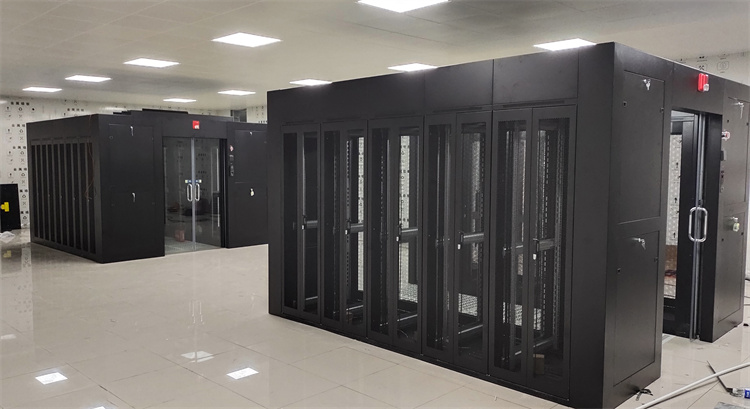
– Data centers: Large-scale facilities that house hundreds or thousands of servers and storage devices.
– Enterprise server rooms: For large businesses that need to host their own servers and IT infrastructure.
– Edge computing sites: To house servers and networking equipment in remote locations for low-latency data processing.
– Industrial environments: To protect servers and computing equipment from dust, debris, and harsh conditions.
4. How to Choose Between a Network Cabinet and a Server Cabinet
Choosing the right cabinet depends on your specific needs, including the type of equipment you need to store, your space constraints, and your security and cooling requirements. Here are some simple guidelines to help you decide:
– Choose a network cabinet if you need to store lightweight network equipment (switches, routers, patch panels), have limited space, and require basic cooling and security.
– Choose a server cabinet if you need to store heavy servers, storage devices, or PDUs, require advanced cooling to handle heat output, need high weight capacity, and prioritize robust security for sensitive equipment.
5. Frequently Asked Questions (FAQs)
FAQ 1: Can a network cabinet be used to store servers?
It is not recommended. Network cabinets are shallower, have lower weight capacity, and lack the advanced cooling needed for servers. Storing servers in a network cabinet can lead to overheating, equipment damage, and safety hazards.
FAQ 2: Are network cabinet and server cabinet interchangeable?
No, they are not interchangeable. Their design, features, and capabilities are tailored to different types of equipment. Using the wrong cabinet can reduce equipment performance, shorten its lifespan, and increase the risk of failure.
FAQ 3: What size cabinet do I need for my small office?
For most small offices, a network cabinet with a depth of 600mm to 800mm and a height of 12U to 24U is sufficient. This size can accommodate switches, routers, and patch panels without taking up too much space. If you plan to add servers later, consider a server cabinet from the start.
6. Final Conclusion
While network cabinet and server cabinet may look similar, they are designed for different purposes and have distinct features. A network cabinet focuses on organizing lightweight network equipment with basic cooling and security, while a server cabinet is built to support heavy, heat-generating servers with advanced cooling, high weight capacity, and robust security. Understanding these differences is key to choosing the right cabinet for your IT infrastructure, ensuring your equipment operates efficiently, securely, and reliably.
Whether you’re setting up a small office network or a large data center, selecting the right cabinet will help protect your investment, reduce maintenance costs, and ensure your IT systems run smoothly for years to come.