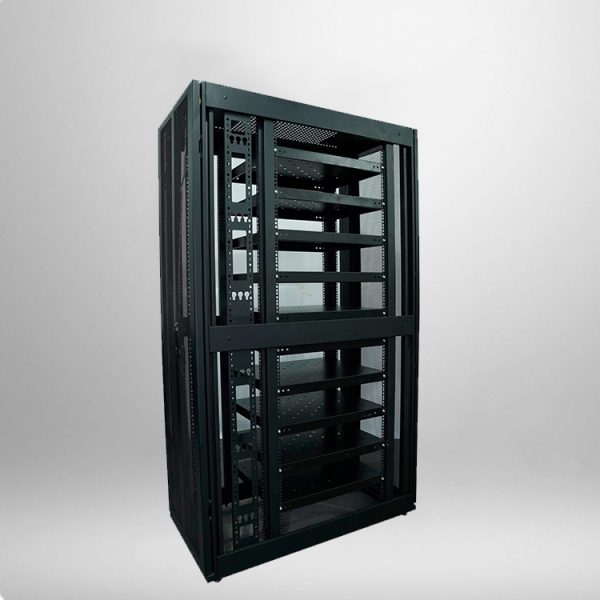
Running a modern data center or business server room means squeezing maximum performance out of every inch of available space. Standard cabinets often leave wasted gaps, tangled wires, and poor airflow that hold back your IT setup. A high-density server cabinet changes this entirely, with flexible internal layouts built to fit dense hardware setups while keeping systems clean, cool, and easy to maintain.
Fixed internal layouts force technicians to mount devices in preset positions, creating unused vertical space and uneven weight distribution. They also lead to messy cable routing that traps heat and slows down routine maintenance. This is why professional IT teams prioritize customizable internal layouts when investing in a reliable server cabinet for high-load environments.
Unlike basic office cabinets designed for light hardware, high-density models feature fully reconfigurable internal structures. Every layout option targets real-world data center pain points: inefficient space usage, overheating risks, disorganized cabling, and difficult hardware upgrades.
Practical Internal Layout Options for High-Density Server Cabinets
1. Reconfigurable U-Rail Mounting Layouts
The most useful layout feature in high-density units is reconfigurable U-rail mounting. Traditional cabinets use fixed standard U spacing, which works for uniform hardware but creates gaps when mixing different device heights. High-density designs feature continuous slotted rails that let technicians adjust mounting points at incremental intervals.
This layout option allows perfect spacing for 1U, 2U, and custom-height hardware, eliminating wasted vertical room. It also supports staggered mounting for heavier equipment, improving overall weight balance across the cabinet frame. For growing businesses that frequently upgrade server hardware, this adaptable layout eliminates the need for full cabinet replacements during infrastructure updates.
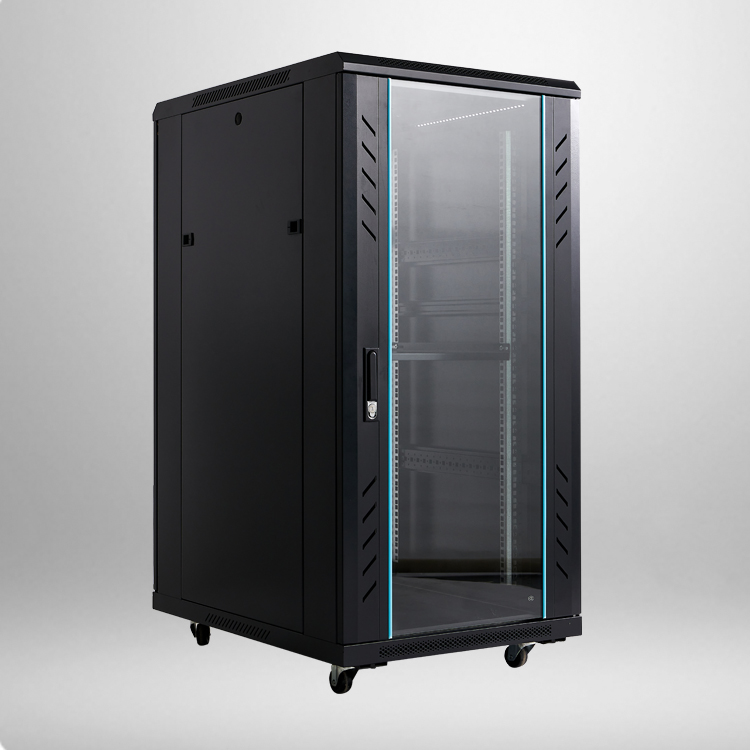
Dense hardware deployments generate dozens of power and Ethernet cables, which quickly become unmanageable without structured routing. Premium high-density units offer segmented cable management layouts that separate power cables, data cables, and fiber lines into dedicated pathways.
2. Segmented Cable Management Layouts
This internal layout includes vertical cable troughs, horizontal pass-through panels, and isolated side channels. By separating cable types, the design reduces electromagnetic interference and makes individual line tracing simple during troubleshooting. This organized structure is a key reason businesses rely on a purpose-built server cabinet for dense server stacking rather than generic storage units.
Heat buildup is the biggest risk in high-density server deployments. More hardware in a smaller space creates concentrated heat pockets that can cause throttling or unexpected downtime. Modern high-density cabinets feature zoned thermal layouts that separate cold intake and hot exhaust airflows.
3. Zoned Thermal Airflow Layouts
The front lower zone handles cool air intake for rack-mounted servers, while the rear upper zone expels hot exhaust through vented panels and optional fan trays. Some models include internal air baffles that block hot air recirculation, ensuring every device receives consistent cooling. This zoning layout maintains safe operating temperatures even when the cabinet runs at full hardware capacity.
4. Modular Accessory Layout Configurations
Every data center has unique setup needs, which is why high-density cabinets support modular internal accessory layouts. Users can add adjustable shelving, sliding device trays, lockable security panels, and PDU mounting brackets based on their equipment lineup.
This flexible layout works for mixed setups that combine rack servers, standalone storage devices, and networking gear. Technicians can remove or reposition accessories over time to match new hardware configurations, making the cabinet adaptable for long-term business growth and infrastructure changes.
Core Specification Parameters of Standard High-Density Cabinets
To validate layout performance and structural reliability, high-quality high-density cabinets follow strict industry specifications. The table below outlines key parameters that support efficient internal layout functionality:
|
Parameter Item
|
Industry Standard Value
|
Functional Benefit
|
|---|---|---|
|
Usable Rack Height
|
42U / 47U Standard
|
Supports full-scale high-density hardware stacking
|
|
Mounting Adjustment Precision
|
0.25U Increment Adjustment
|
Maximizes vertical space utilization
|
|
Dynamic Load Rating
|
900kg Industrial Grade
|
Stable support for fully loaded dense hardware
|
|
Airflow Design Standard
|
Front-to-Rear Cold/Hot Isolation
|
Prevents internal heat accumulation
|
|
Cable Channel Capacity
|
Dual Independent Side Channels
|
Supports large-scale cable integration
|
Frequently Asked Questions About High-Density Cabinet Layouts
1. Are adjustable rack layouts necessary for small business server rooms?
Yes, adjustable layouts deliver long-term value for small businesses. Even with limited current hardware, incremental mounting adjustments leave room for future upgrades. They prevent premature cabinet replacement and ensure every hardware addition fits efficiently within the existing server cabinet structure.
2. How does zoned airflow improve high-density server reliability?
Zoned airflow eliminates hot air recirculation, a common issue in densely packed hardware setups. By isolating cold intake and hot exhaust, the layout maintains uniform temperatures across all rack devices, reducing overheating errors and extending server hardware lifespan significantly.
3. Can modular layouts support mixed server and network hardware setups?
Absolutely. Modular accessories allow seamless integration of rack servers, switches, firewalls, and storage devices. Technicians can customize internal spacing and mounting styles to accommodate varying hardware sizes, creating a unified and organized IT environment.
4. Does segmented cabling layout reduce network maintenance time?
It drastically cuts maintenance time. Separated cable pathways eliminate tangled wiring, making port identification, line replacement, and fault tracing much faster. Structured layouts also reduce human error during routine server room maintenance.
At the end of the day, the internal layout options of a high-density server cabinet define how efficiently your data center operates. Flexible mounting, structured cabling, zoned cooling, and modular accessories work together to solve the core challenges of dense IT deployments. Investing in a fully customizable layout setup keeps your server room organized, stable, and ready for future business scaling.