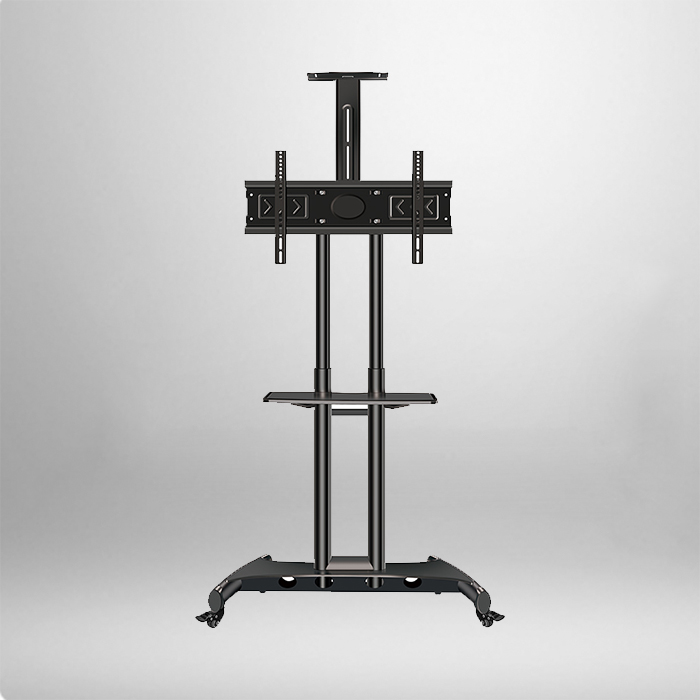
Hardwood flooring damage from wheeled furniture usually comes down to three main factors: wheel material, concentrated weight, and trapped grit between the wheel and floor surface. Finished hardwood has a protective top coat, and this clear layer is much easier to scratch than the solid wood underneath. Once that finish wears thin, the raw wood becomes vulnerable to stains and permanent indentations.
Wheel Material Is The Biggest Factor
Hard plastic casters are the most common culprit. They are stiff, and tiny grains of sand or dirt stick to the hard edge. Every time you roll, those grains act like fine sandpaper and slowly scuff the finish. Soft polyurethane or rubber tread casters behave differently. They grip gently, roll smoothly, and do not catch debris in the same aggressive way. This is the key detail many shoppers miss when ordering a tv stand cart.
Weight Distribution and Static Dents
A heavy TV, soundbar and accessories add up quickly. When all that weight sits on four small caster contact points, pressure gets focused on tiny spots. Over weeks or months without moving, these points can create shallow dents in softer wood species such as pine or white oak. Harder woods like maple and Brazilian cherry resist denting better, but they are still not immune. The table below shows typical load specs and floor risk levels for reference.
| Caster Type | Suggested Total Load Limit | Best Floor Match | Common Risk |
|---|---|---|---|
| Hard Nylon Plastic | Up to 120 lb | Carpet | Fine scratches on hardwood |
| Soft Polyurethane Tread | Up to 180 lb | Hardwood, luxury vinyl | Minimal risk if kept clean |
| Solid Rubber Caster | Up to 220 lb | Hardwood, tile | Possible dark marks with cheap rubber |
| Locking PU Caster (dual) | Up to 200 lb | Hardwood | Safe for regular rolling |
Debris and Rolling Habits
Even good casters can hurt floors if you roll over crumbs, gravel, or pet litter. Those particles get crushed between wheel and wood. Frequent, sharp turns also increase abrasion because the wheel drags sideways instead of rolling straight.
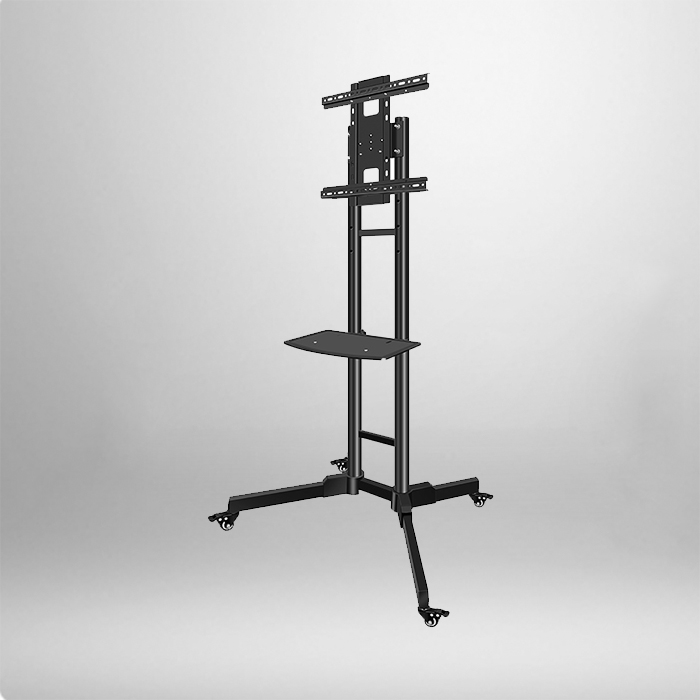
Practical Steps To Use A Tv Stand Cart Safely On Hardwood
You do not need to give up mobility to protect your floors. A few simple adjustments reduce nearly all risk.
Swap Or Upgrade Casters
Before you start rolling, check the wheels included with your unit. If they are shiny hard plastic, replace them with non-marking polyurethane casters designed for hard surfaces. Most standard caster mounts are universal, and this swap takes less than ten minutes. Look for casters labelled “non-marring for hardwood”.
Add A Thin Protective Mat
A low-pile mat or hard floor caster mat under the cart creates a barrier. It catches grit and keeps wheels from touching the wood directly. Make sure the mat is wide enough for full movement; small mats will shift and defeat the purpose. Avoid thick rug pads that can make the cart unstable.
Clean Wheels and Floor Regularly
Wipe each wheel tread once every two weeks to remove stuck dirt. Sweep or vacuum the path you normally roll along. This small habit prevents most micro-scratches that build up slowly over time. Also, unlock the brakes only when you plan to move it and lock firmly once positioned. Unintended rolling from kids or pets can cause sudden scuffs.
Shift Position Periodically
If you leave the tv stand cart parked in one spot for weeks, slide it a few inches every month. This spreads pressure and stops static dents from forming. This tip matters most for softer wood floors with a thin finish.
Frequently Asked Questions
Will soft rubber casters leave stains on hardwood?
Low-quality rubber can leach plasticiser and leave dark, hard-to-clean marks on cured polyurethane finishes. High-grade polyurethane tread wheels do not usually stain, so this is the safer pick. Avoid leaving cheap rubber wheels in one place for months without moving.
Can I use felt pads on casters for hardwood protection?
Felt works great for stationary furniture, but it is not made for repeated rolling. Felt compresses quickly, tears apart, and can leave fuzzy residue behind. It is a poor solution for any cart you move often.
Are engineered hardwood floors more or less prone to caster damage?
Engineered hardwood with a thick wear layer handles rolling better than thin solid hardwood. However, the wear layer can still scratch. The same rules apply: use soft casters and keep the rolling path clean.
Does floor finish quality change the risk?
Yes. Oil-based finishes are softer and scuff easier than modern water-based polyurethane. Waxed floors are the most delicate and should use a protective mat even with premium casters.