
The short answer is that a well-engineered TV trolley can be stable and resistant to tipping, but stability is never automatic. It depends heavily on build details, load limits, and how you use it. Cheap, poorly designed models can wobble or tip easily, while units built with anti-tip principles hold up well under normal operating conditions. This article breaks down what makes these mobile stands safe, what red flags to watch for, and how to match the right model to your screen and space.
Core Design Features That Support Anti-Tip Performance
Stability starts with how weight is distributed across the whole structure. The most reliable anti-tip layouts lower the centre of gravity and spread support over a wide footprint. Narrow, lightweight bases are the biggest culprit behind unstable behaviour, especially when the screen is mounted high.
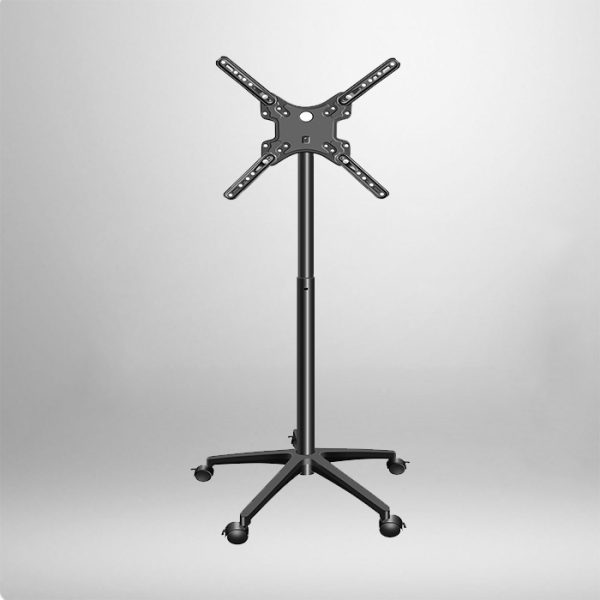
A wide base frame creates a larger support polygon. When the outer edges of the base extend well beyond the vertical line of the TV screen, the cart needs much more sideways force to tip. Many trusted designs also add weighted components near the floor, which keeps mass low instead of stacking all weight at the top. Locking casters are another essential part. Not all wheel locks work the same. Dual-action casters that lock both rotation and swivel prevent the unit from sliding or twisting after you position it. Single-brake wheels only stop rolling and can still swivel, leaving the assembly vulnerable to shifting when bumped.
Secure VESA mounting matters too. The screen must fasten tightly to the bracket with proper bolts, not just rest on a shelf. Loose mounting allows the display to shift sideways, changing the balance and introducing tipping risk. Some designs also include backstops or support arms that limit forward tilt movement.
Stability Reference Parameters for Safe Selection
This reference table lists typical target values for a stable, anti-tip mobile display cart. These figures reflect common industry testing benchmarks and are helpful for comparing specifications before purchase.
| Parameter | Recommended Safe Value | Notes |
|---|---|---|
| Base width | ≥ 1.4 × TV width | Wider base improves tipping resistance |
| Rated load capacity | ≥ 120% of actual TV weight | Leaves safety margin for accessories |
| Caster type | Dual lock (brake + swivel lock) | 4 locking casters preferred |
| Maximum safe tilt angle during test | 10° without tipping | Tested on firm, level flooring |
| Mounting standard | Universal VESA fixed or limited tilt | Free-swing full tilt models reduce stability |
| Recommended floor surface | Level hard floor / low-pile carpet | Not for ramps, slopes or uneven broken ground |
Keep in mind these are general guidance numbers, not universal legal standards. Always cross-check the manufacturer’s published test report before using the unit with expensive screens or around children.
Common Misconceptions About Anti-Tip Performance
Many buyers assume a higher weight rating automatically means the cart resists tipping. Load capacity tells you how much vertical weight the frame can support; it does not directly tell you about sideways stability. A cart can hold a heavy TV without bending yet still tip easily if its base is too narrow.
Another common mistake is buying by screen size alone. Two 75-inch TVs can have very different weights. A thin OLED panel may weigh far less than an older LCD of the same size. Always look up the actual screen weight instead of only matching inches. Height adjustment also changes stability. Raising the mount to its maximum setting lifts the centre of gravity and makes the whole unit easier to tip, so avoid running the trolley at full height unless the space requires it.
Frequently Asked Questions
1: Will a TV trolley tip if someone bumps into it?
A properly built unit with a wide base, locked casters and a screen mounted within its weight limit can withstand moderate bumps. Hard, sudden impacts or pushing from the top of the screen can still cause tipping. For busy schools or public areas, choose models with extra base weighting and keep the mounting height lower.
2: Can I use this trolley on sloped floors or ramps?
Most anti-tip testing is done on flat, level surfaces. Slopes shift the balance toward the downhill side and greatly increase tipping risk. It is not recommended to move or leave the trolley on ramps, steps or uneven flooring.
3: What maintenance helps keep the trolley stable over time?
Check caster locks every few months to confirm they still engage firmly. Tighten all VESA bolts and frame fasteners, and inspect the base for bent metal or cracks. Worn casters that wobble or fail to lock should be replaced right away. Loose hardware is one of the top hidden causes of sudden stability loss.
4: Are taller height-adjustable models less anti-tip?
Yes. Raising the TV higher raises the centre of gravity, reducing the sideways force needed to tip the cart. If you regularly need high mounting positions, prioritise models with an especially wide base and heavier lower section.
Practical Steps to Reduce Tipping Risk After Purchase
Even the best design needs correct setup. Start by locking all four casters once you finish moving it into place. Do not leave the trolley unlocked while the screen is unattended. Keep small accessories like laptops and cameras on the lower shelf rather than stacking them on top of the TV. Extra weight high up weakens stability quickly.
Take a minute to test it gently after assembly. Push the side of the frame at waist height to feel for excessive sway. If it rocks noticeably without locking, the base may be too narrow or the load too heavy. You can also mark the floor position for high-traffic rooms so staff know not to push or lean on the display.
At the end of the day, the TV trolley is a practical tool, but it is not immune to physics. It can be stable and anti-tip when matched correctly to your screen and handled carefully. If you skip checking base dimensions, caster locks and weight limits, you take on unnecessary risk. A few simple checks before buying and after setup go a long way toward keeping your display safe in classrooms, offices and event spaces.