
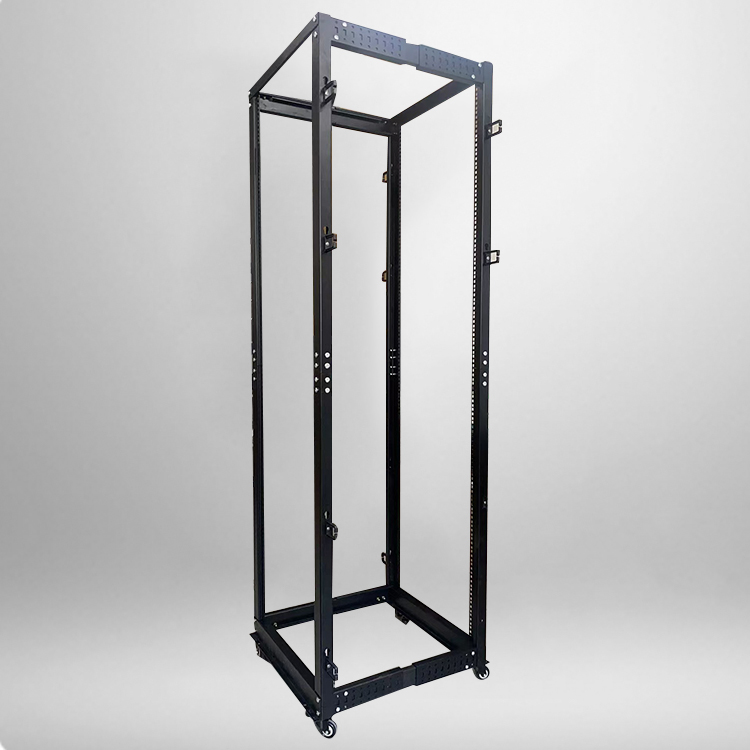
Cold and hot aisle containment is a thermal management strategy widely adopted in data centers to optimize cooling efficiency, reduce energy consumption, and maintain stable operating temperatures for IT equipment. As data centers face growing demands for higher density and lower carbon footprints, this containment solution has become a key practice to address cooling challenges. This article explores how cold and hot aisle containment works, its core benefits, implementation approaches, and key considerations for effective deployment.
The fundamental principle of cold and hot aisle containment is to separate cold supply air from hot exhaust air, preventing air mixing that wastes cooling capacity. In cold aisle containment, the aisles where IT equipment intakes cold air are enclosed, directing conditioned air exclusively to equipment inlets. Hot aisle containment, by contrast, encloses the aisles where equipment expels hot air, channeling exhaust directly to cooling units for recirculation or discharge. Both approaches eliminate the “short-circuiting” of cold air (where cold air is drawn into exhaust without cooling equipment) and reduce the need for overcooling the entire data center space.
One of the most significant benefits of this containment strategy is energy savings. By focusing cooling on critical areas rather than the entire facility, data centers can reduce the workload of HVAC systems, cutting energy consumption by 20% to 40% in many cases. This not only lowers operational costs but also aligns with sustainability goals by reducing carbon emissions. Additionally, cold and hot aisle containment improves temperature consistency across IT equipment, minimizing the risk of overheating and extending the lifespan of servers, storage devices, and networking hardware. It also enables higher server density, as contained aisles can support more equipment without compromising thermal stability.
Implementation of cold and hot aisle containment can be tailored to different data center layouts and budgets. Common containment methods include physical barriers such as modular panels, doors, and ceilings that enclose the aisles. For existing data centers, retrofittable solutions are available, allowing for gradual deployment without disrupting ongoing operations. Newly constructed facilities can integrate containment into the design, optimizing aisle dimensions, cooling unit placement, and airflow patterns. Some deployments also incorporate airflow management tools like blanking panels, brush strips, and vented tiles to further enhance containment effectiveness by sealing gaps that allow air leakage.
Several key factors should be considered when adopting cold and hot aisle containment. First, IT equipment layout is critical—servers and racks should be arranged in alternating rows (cold intake facing cold aisles, hot exhaust facing hot aisles) to maximize airflow separation. Cooling system compatibility is another consideration; containment works best with precision air conditioners, CRAHs (Computer Room Air Handlers), or CRACs (Computer Room Air Conditioning) that can be adjusted to work with contained airflow. Monitoring is also essential—installing temperature and airflow sensors in contained aisles helps track performance and identify issues like air leaks or uneven cooling.
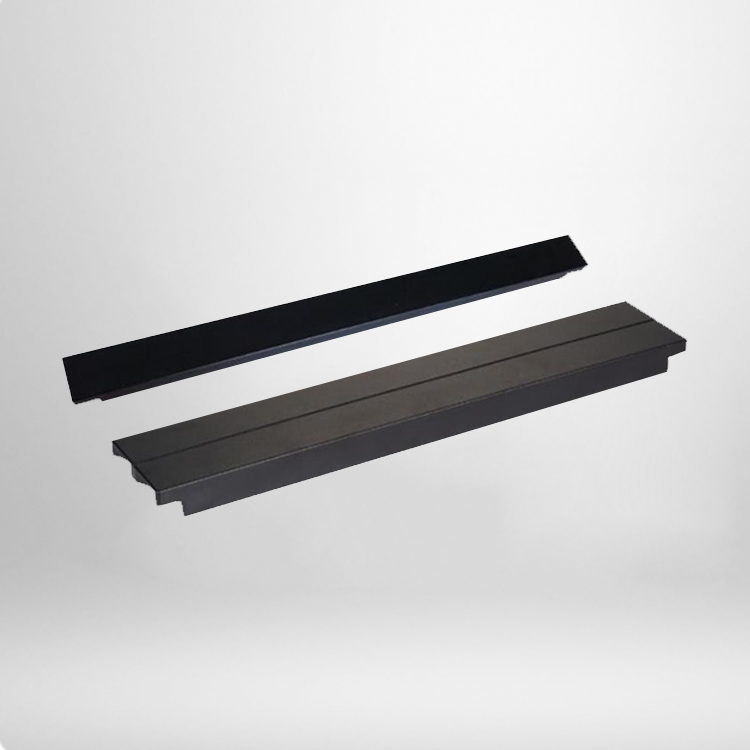
While cold and hot aisle containment offers significant advantages, it requires careful planning to avoid potential pitfalls. Overlooking air leakage points (such as gaps around rack doors or cable openings) can undermine containment effectiveness. Additionally, balancing airflow between contained aisles and cooling units is crucial to prevent pressure imbalances that may impact equipment performance. Regular maintenance, including inspecting containment barriers for damage and cleaning air filters, ensures long-term efficiency.