
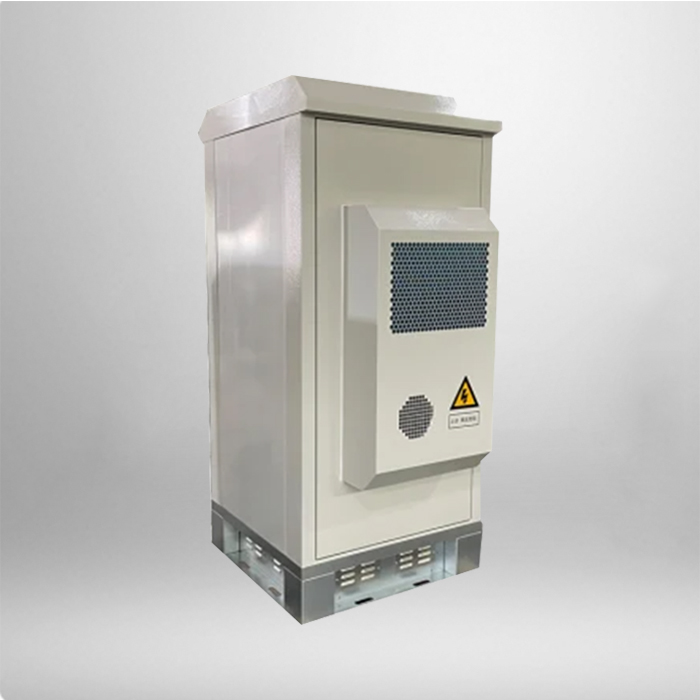
On the roadside, in the corners of residential areas, and at the edges of fields, those quietly standing boxes form the physical foundation of modern communication networks – outdoor communication cabinets. These structures may seem ordinary, but they carry the crucial mission of transmitting digital signals to millions of households. They are not as grand and magnificent as data centers, but they guard the “last mile” of the information age in a more decentralized and resilient way.
In modern communication network architecture, outdoor telecom cabinet is a key infrastructure that supports network signal coverage and data transmission. It is directly exposed to the natural environment, providing a stable physical working environment and security protection for the core equipment of wireless communication base stations and wired network stations, and is an important carrier for achieving wide area coverage of communication networks. With the large-scale construction of 5G networks, the promotion of smart cities, and the popularization of communication in remote areas, the application scenarios of outdoor telecom cabinets continue to expand, and their environmental adaptability, protection reliability, and intelligence level have become the core elements to ensure the stable operation of communication networks.
From a structural perspective, outdoor cabinets are like carefully designed armor. The box is usually made of galvanized steel plate or aluminum alloy, and the surface is treated with multiple layers of anti-corrosion treatment – powder coating, electrophoretic coating and other processes to form a strong protective layer, which can resist long-term exposure to ultraviolet radiation, acid rain corrosion and salt spray erosion. The box door is equipped with waterproof sealing strips and anti pry locks, which not only ensure good sealing but also facilitate daily maintenance by maintenance personnel. The infrastructure is specially designed based on the geological conditions of the installation site to ensure stability in extreme situations such as typhoons and earthquakes.
Protective performance is the core competitiveness of Outdoor Telecom Cabinet, with its protection system covering multiple dimensions such as dust, rain, lightning, and theft prevention. The protection level of the cabinet generally reaches IP55 or above, and the ventilation window is equipped with a double-layer filter structure. The outer stainless steel mesh can block the invasion of insects and mice, and the inner dustproof mesh adopts a modular design for easy maintenance. At the same time, the top edge and secondary waterproof structure prevent rainwater from infiltrating.
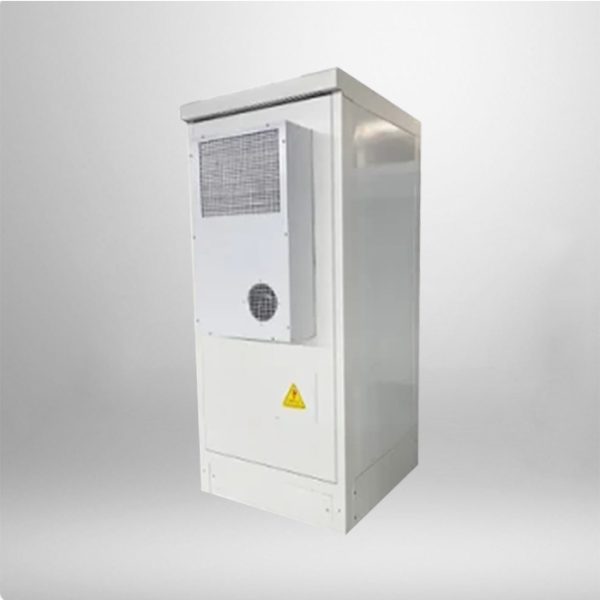
The lightning protection grounding system is the key to ensuring equipment safety. The cabinet is equipped with a dedicated grounding bar, and all metal components are reliably connected to the grounding bar. The connection resistance between any two points is less than 0.1 Ω, strictly in accordance with the technical specifications for lightning protection and grounding of base stations, and can effectively resist lightning strikes. In addition, the cables inside the cabinet are designed with classified routing. The power lines, signal lines, and optical cables have independent entry holes and are equipped with wire passing rubber rings to avoid signal interference and cable wear.
With the evolution of network technology, the functional connotation of outdoor communication cabinets is constantly enriched. From the initial simple line junction box, it has developed into a comprehensive node that integrates fiber optic fusion splicing, signal conversion, power distribution, and battery backup. The deployment of the 5G network has brought new changes – large-scale antenna arrays and edge computing devices are integrated into the cabinet, transforming them from passive connection points to intelligent nodes with certain computing capabilities. This functional evolution requires the cabinet to accommodate more devices in a limited space, while solving the accompanying challenges of heat dissipation, power supply, and wiring.
The application scenarios of outdoor telecom cabinet have covered diverse environments such as cities, rural areas, and transportation routes, becoming the core guarantee for communication network deployment. In densely populated urban areas, it solves the problem of difficult location selection for computer rooms and helps achieve deep coverage of communication signals, thanks to its advantages of small footprint and flexible installation; In areas such as high-speed rail lines and remote rural areas, its modular design and convenient installation characteristics have significantly reduced station construction costs and accelerated the popularization of communication networks.
In addition, in scenarios such as emergency communication and deployment of smart city perception nodes, outdoor telecom cabinets can quickly complete equipment integration and networking, providing stable support for temporary communication support and data collection, and becoming an important device for improving communication network emergency response capabilities.
From a broader perspective, outdoor communication cabinets have become an indispensable component of modern infrastructure. They, like utility poles, street lights, and traffic signals, together form the neural network that runs the city. These silent boxes not only transmit data streams, but also reflect the interaction track between technological progress and social needs – from meeting basic communication needs, to supporting high-speed Internet, to enabling smart city applications.
In the future, outdoor communication cabinets will continue to evolve. The integration of renewable energy may make it more green and independent; The embedding of artificial intelligence algorithms will achieve more intelligent fault prediction and energy efficiency management; The application of new materials will further extend their service life. But no matter how technology changes, its core mission remains unchanged: to provide a safe, stable, and reliable device habitat in the closest place to the user.