
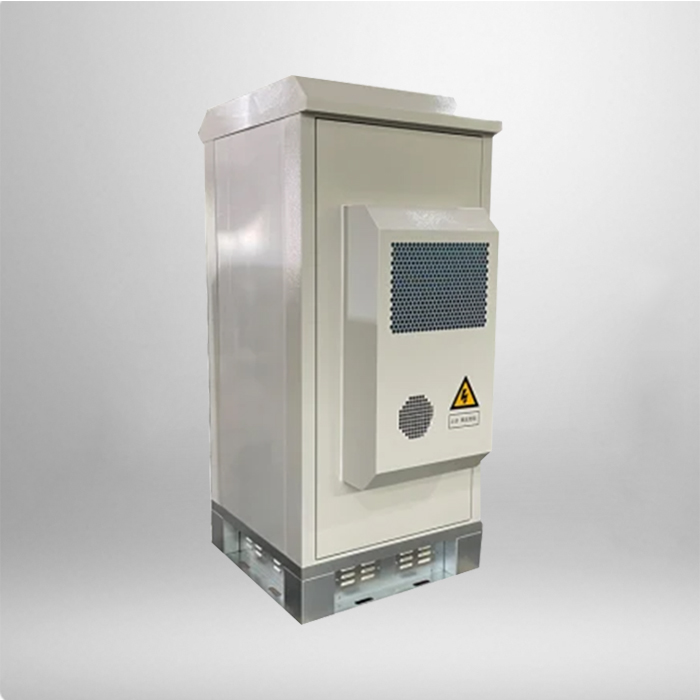
Outdoor telecom cabinets are vital infrastructure components that house and protect critical communication equipment in external environments. As telecom networks expand to cover remote and harsh areas, these cabinets play an increasingly important role in ensuring stable signal transmission and equipment longevity. Designed to withstand diverse weather conditions and external threats, they serve as a protective shield for routers, switches, power supplies, and other essential devices.
Weather resistance is one of the primary design focuses of outdoor telecom cabinets. They must endure extreme temperatures, ranging from scorching heat in arid regions to freezing cold in polar areas. Effective thermal management systems, such as built-in fans, heat sinks, or air conditioners, regulate internal temperatures to prevent equipment overheating or freezing. Additionally, cabinets feature waterproof and dustproof enclosures, usually with IP (Ingress Protection) ratings to block rain, snow, dust, and humidity from entering, which could cause short circuits or component damage.
Physical security is another critical aspect. Outdoor cabinets are often installed in unmonitored areas, making them vulnerable to theft, vandalism, or unauthorized access. To address this, they are constructed with high-strength materials like galvanized steel or aluminum alloys, which offer excellent impact resistance. Secure locking mechanisms, such as tamper-proof locks and access control systems, further prevent unwanted entry, safeguarding valuable equipment and sensitive data stored within.
Flexibility and scalability are essential to accommodate evolving telecom needs. Modern outdoor telecom cabinets are designed with modular structures, allowing easy expansion or modification as network requirements change. Removable panels, adjustable mounting rails, and sufficient internal space enable technicians to install, upgrade, or maintain equipment efficiently. This modular design also reduces downtime during maintenance, ensuring minimal disruption to network services.
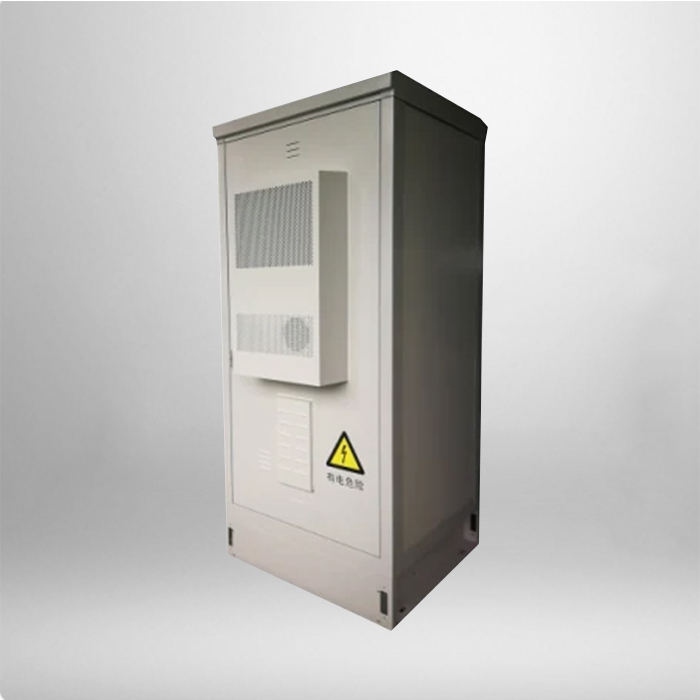
Energy efficiency has become a growing concern in telecom infrastructure. Many outdoor cabinets integrate energy-saving features, such as low-power cooling systems and solar-powered backup solutions. These features not only reduce operational costs but also support environmental sustainability by lowering carbon emissions. In areas with unstable power supplies, backup batteries or renewable energy integration ensures continuous operation of critical communication equipment.
Material selection directly impacts the performance and lifespan of outdoor telecom cabinets. Galvanized steel is widely used for its corrosion resistance and durability, while aluminum alloys offer a lighter alternative without compromising strength. Some cabinets also use composite materials that provide enhanced insulation and resistance to chemical corrosion, suitable for industrial or coastal areas with high salt content in the air.