
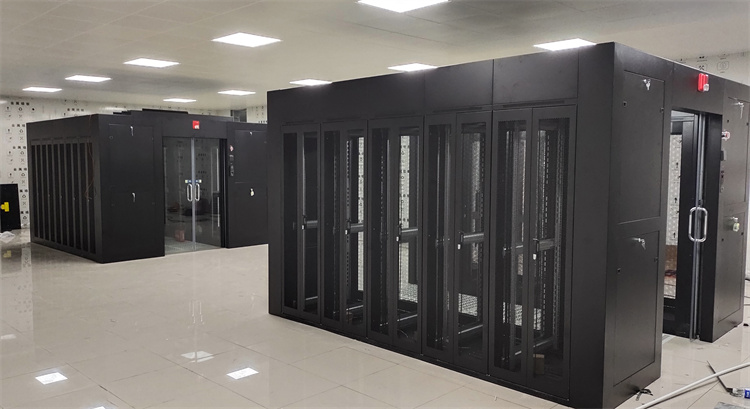
Server cabinets are essential infrastructure components designed to house, organize, and protect servers, networking devices, and other IT equipment. As data centers and enterprise IT environments continue to expand, the role of server cabinets in ensuring operational efficiency, equipment safety, and easy maintenance has become increasingly prominent. This article delves into the core functions, common types, selection criteria, and usage considerations of server cabinets, providing valuable insights for IT professionals.
One of the primary functions of server cabinets is to provide physical protection for IT equipment. Constructed with sturdy materials such as cold-rolled steel, they shield internal devices from dust, moisture, accidental impact, and unauthorized access. Additionally, server cabinets facilitate effective cable management, allowing for organized routing of power and data cables. This not only reduces clutter but also simplifies troubleshooting, maintenance, and future upgrades. Another key function is thermal management—many server cabinets come with built-in ventilation systems, fans, or cooling units to dissipate heat generated by operating equipment, preventing overheating and ensuring stable performance.
Server cabinets are available in various types to suit different IT environments and requirements. Rack-mount cabinets are the most common, designed to accommodate standard 19-inch rack-mount equipment, making them highly versatile for data centers and enterprise server rooms. Wall-mounted cabinets are ideal for small spaces or edge computing locations, as they save floor space and can be installed in confined areas. Open-frame racks, while lacking full enclosures, offer excellent ventilation and easy access to equipment, suitable for environments with controlled dust and temperature. Additionally, climate-controlled cabinets are designed for harsh environments, featuring advanced cooling or heating systems to maintain optimal temperature and humidity levels.
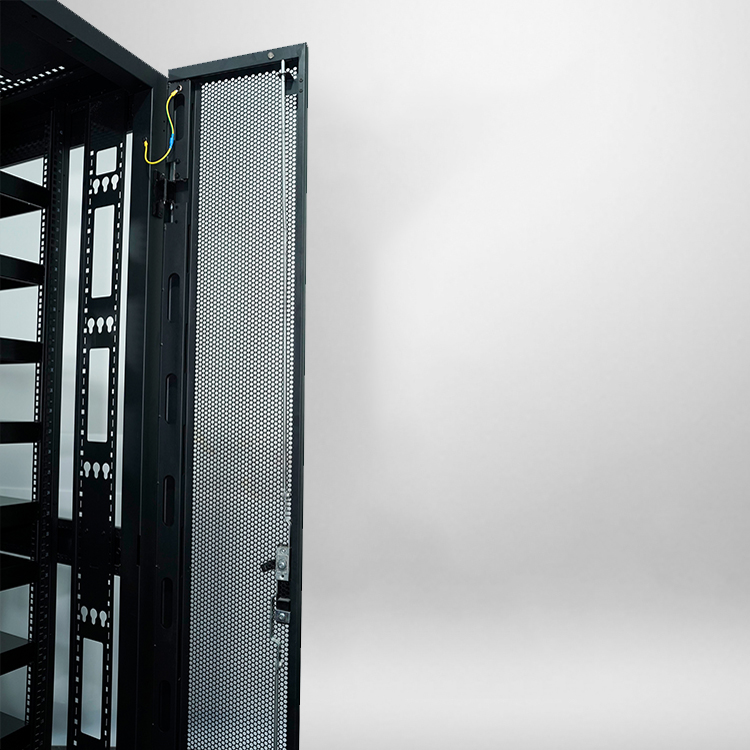
Selecting the right server cabinet requires careful consideration of several factors. First, the size of the cabinet should match the number and dimensions of the equipment to be housed—consider both current needs and future expansion plans to avoid insufficient space. Second, load capacity is crucial; the cabinet must be able to support the weight of the equipment without structural damage. Thermal management capabilities should align with the heat output of the devices, especially in high-density server environments. Security features, such as lockable doors and side panels, should be evaluated based on the level of access control required. Furthermore, compatibility with existing IT infrastructure, including cable management systems and power distribution units (PDUs), is essential to ensure seamless integration.
Proper installation and usage of server cabinets are vital to maximize their effectiveness. Cabinets should be installed in a clean, dry, and well-ventilated area, away from direct sunlight, moisture, and extreme temperature fluctuations. Equipment should be mounted evenly to distribute weight and prevent the cabinet from tipping over. Cable management should be implemented during installation, using cable trays, ties, and organizers to keep cables neat and accessible. Regular maintenance includes cleaning the cabinet to remove dust, inspecting ventilation systems for blockages, and checking for signs of wear or damage to structural components.