
Modern businesses rely on data centers more than ever before. From cloud computing to AI applications, companies need reliable systems to manage large amounts of data and network traffic. One important component that often goes unnoticed is the server rack. While it may seem like a simple storage structure, it plays a major role in improving efficiency, organization, and system performance.
In 2026, as data centers continue to grow in size and complexity, efficient infrastructure has become a top priority. A well-designed server rack system helps businesses reduce downtime, improve cooling, and maximize space utilization. These advantages make it an essential investment for modern IT environments.
Why Server Racks Matter in Modern Data Centers
A data center contains many pieces of equipment, including servers, switches, storage devices, and power systems. Without proper organization, managing these components can quickly become difficult and expensive.
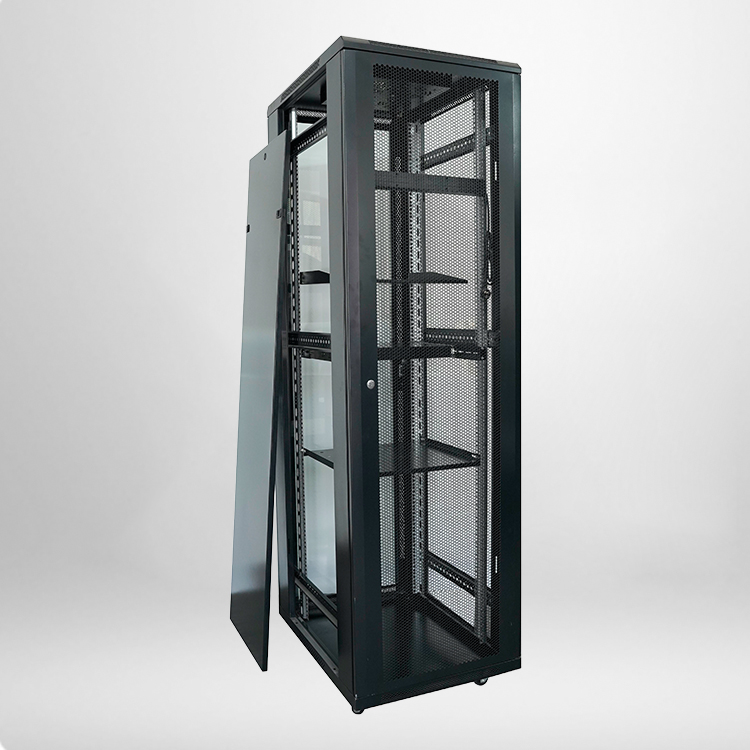
A server rack provides a standardized framework for mounting and organizing IT equipment. It allows technicians to install devices securely while maintaining easy access for maintenance and upgrades.
Industry experts agree that organized infrastructure improves operational efficiency and reduces long-term maintenance costs. Businesses using modern rack systems also benefit from improved scalability as technology demands continue to rise.
Improved Space Utilization
Maximizing Available Floor Space
One of the biggest benefits of using server racks is better space management. Data center floor space is expensive, especially in large urban facilities. Rack systems allow businesses to stack equipment vertically instead of spreading devices across the floor.
This vertical arrangement helps organizations fit more hardware into smaller spaces while maintaining proper airflow and accessibility.
For example, high-density racks are now commonly used in cloud computing facilities where hundreds of servers must operate within limited square footage. By optimizing space usage, companies can delay expensive facility expansions and lower operational costs.
Easier Equipment Organization
Server racks also make equipment organization much simpler. Devices are arranged in a structured format, allowing IT teams to quickly identify hardware components and troubleshoot problems.
Clear organization reduces installation errors and improves workflow efficiency during upgrades or repairs.
Better Cooling and Airflow Management
Preventing Overheating
Heat is one of the biggest challenges in any data center. Servers generate large amounts of heat during operation, and poor airflow can lead to overheating, equipment damage, or unexpected downtime.
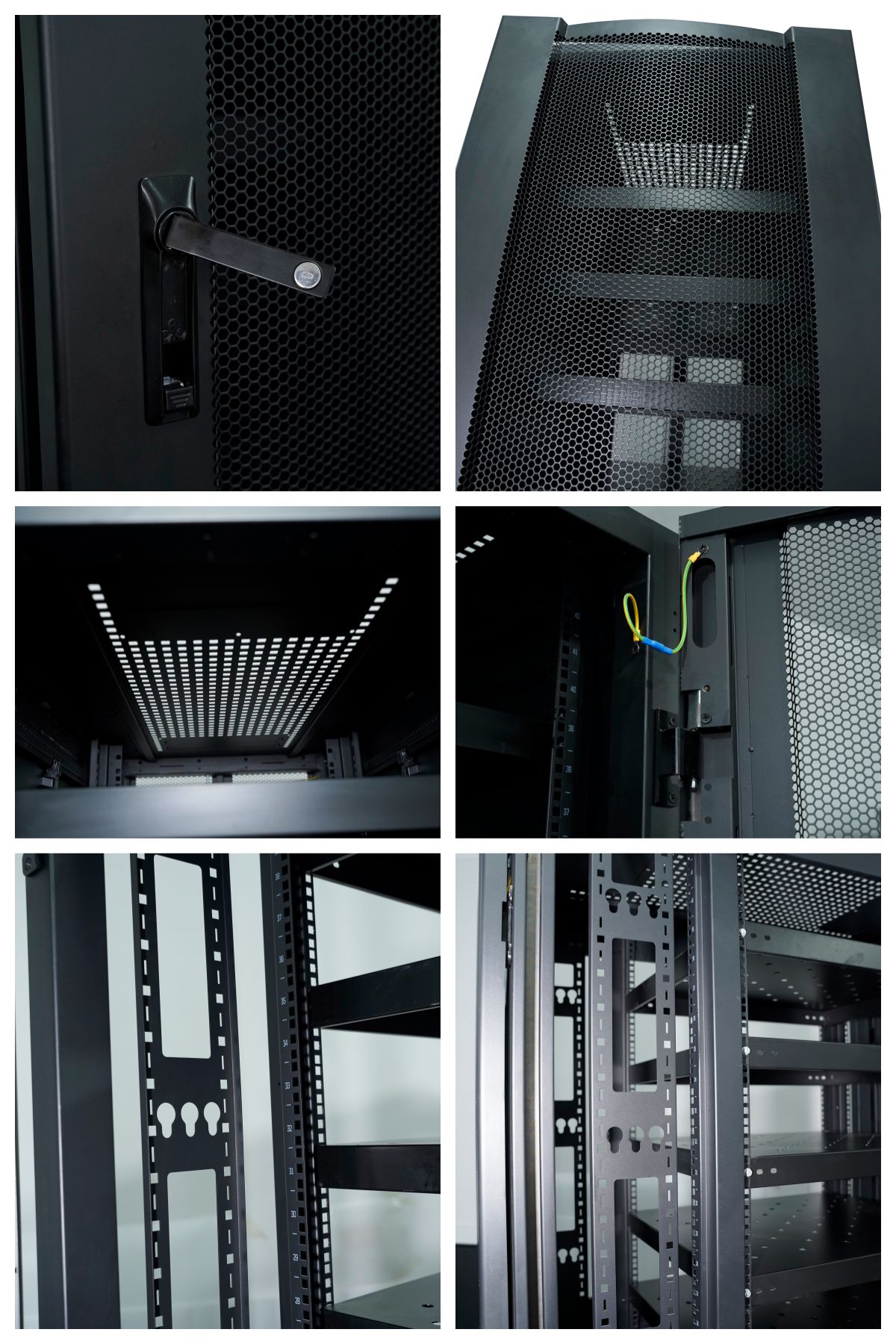
Modern rack systems are designed to improve ventilation and airflow. Many include perforated doors, cable management systems, and dedicated airflow channels that help maintain stable temperatures.
Efficient cooling reduces energy consumption and extends the lifespan of valuable IT equipment.
Supporting Energy Efficiency Goals
In 2026, energy efficiency is a major concern for businesses worldwide. Companies are under pressure to reduce electricity costs and meet sustainability goals.
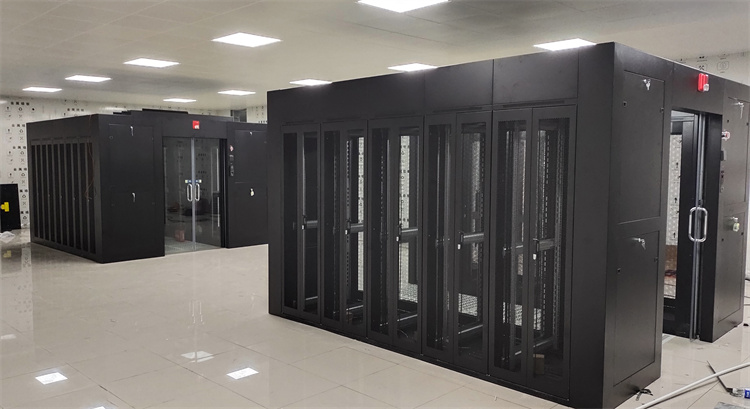
A properly designed server rack layout supports advanced cooling systems, including hot aisle and cold aisle containment strategies. These methods improve airflow efficiency and reduce the workload on cooling units.
As a result, organizations can lower power usage and reduce carbon emissions while maintaining reliable system performance.
Enhanced Cable Management
Reducing Clutter
Poor cable management can create serious problems inside a data center. Tangled cables restrict airflow, increase maintenance time, and make troubleshooting more difficult.
Modern server racks include built-in cable organizers, trays, and routing paths that keep cables neat and secure.
Organized cabling improves both airflow and operational efficiency. Technicians can quickly identify connections, reducing downtime during repairs or upgrades.
Improving Safety
Well-managed cables also improve workplace safety. Loose or disorganized cables increase the risk of accidental disconnections and equipment damage.
By using structured rack systems, businesses create a safer and more professional IT environment.
Stronger Equipment Security
Protecting Valuable Hardware
Data center hardware represents a significant financial investment. Physical security is essential to prevent theft, unauthorized access, or accidental damage.
Many server racks include lockable doors and side panels that help protect sensitive equipment. Access control systems can also be integrated into modern rack designs for additional security.
This level of protection is especially important for industries handling confidential data, such as healthcare, finance, and government services.
Supporting Compliance Requirements
Many businesses must follow strict industry regulations regarding data protection and equipment management. Organized rack systems help companies maintain compliance by improving equipment tracking and security monitoring.
Easier Maintenance and Scalability
Simplifying IT Operations
Efficient maintenance is critical in modern data centers. Downtime can lead to financial losses, service interruptions, and customer dissatisfaction.
Rack-mounted systems make it easier for technicians to access hardware components without disrupting nearby equipment. Standardized layouts also speed up installation and replacement processes.
This efficiency helps IT teams respond quickly to technical issues and maintain reliable system performance.
Supporting Future Growth
Technology needs continue to evolve rapidly. Businesses must be prepared to add new servers, storage devices, and networking equipment as demand increases.
Scalable rack systems allow organizations to expand infrastructure without completely redesigning the data center. Modular rack designs make upgrades faster, easier, and more cost-effective.
The Role of Smart Server Rack Technology in 2026
Intelligent Monitoring Systems
New technologies are transforming traditional rack systems into smart infrastructure solutions. Advanced racks now include sensors that monitor temperature, humidity, airflow, and power usage in real time.
These monitoring tools help IT teams identify potential problems before they cause equipment failures.
Predictive maintenance powered by AI analytics is becoming increasingly common in large-scale facilities.
Remote Management Capabilities
Smart racks also support remote management, allowing administrators to monitor systems from anywhere. This feature improves operational flexibility and reduces the need for on-site inspections.
As remote and hybrid work environments continue to grow, intelligent infrastructure management is becoming more valuable for businesses worldwide.
Conclusion
Efficient infrastructure is essential for modern data centers, and the server rack remains one of the most important components in achieving that goal. From improving airflow and cable management to increasing security and scalability, rack systems deliver significant operational benefits.
In 2026, businesses face growing demands for performance, sustainability, and reliability. Investing in high-quality rack solutions helps organizations reduce costs, improve efficiency, and prepare for future expansion.
As technology continues to evolve, smart rack systems will play an even greater role in supporting the next generation of data center operations.
FAQs
What is a server rack used for?
A server rack is used to organize, mount, and secure IT equipment such as servers, switches, and storage devices in a data center or network environment.
How does a server rack improve cooling?
Server racks improve airflow by organizing equipment efficiently and supporting advanced cooling strategies like hot aisle and cold aisle containment.
Why are server racks important for data centers?
Server racks help maximize space, improve cable management, increase security, and simplify maintenance, making data centers more efficient and reliable.