
In 2026, the global IT landscape is undergoing a profound transformation driven by artificial intelligence, cloud computing, and edge computing. As businesses generate and process more data than ever before, the demand for reliable, efficient, and scalable IT infrastructure has never been higher. At the heart of this infrastructure lie server racks—the standardized metal frames that house servers, network switches, storage devices, and other critical IT equipment. The global server rack market is projected to reach $3.67 billion in 2026 and grow at a CAGR of 7.7% to $7.21 billion by 2035, reflecting their indispensable role in modern computing.
But what exactly makes server racks so essential for 2026 IT infrastructure? This article explores the core functions and key uses of server racks, backed by the latest industry data and expert insights. We use simple English, avoid technical jargon, and focus on practical value to help IT managers, data center operators, and business decision-makers understand why investing in quality server racks is critical for their organization’s success.
What Are Server Racks? A Basic Overview
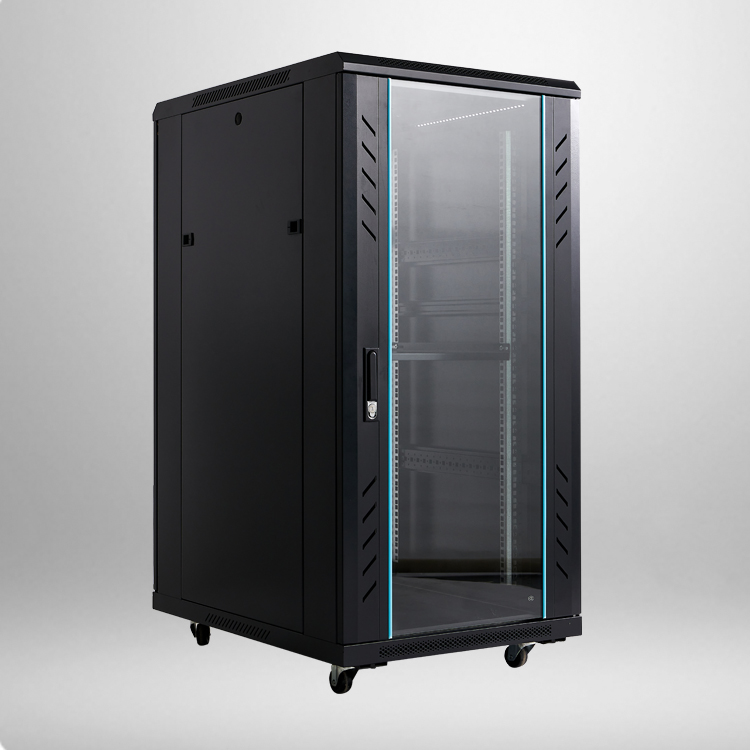
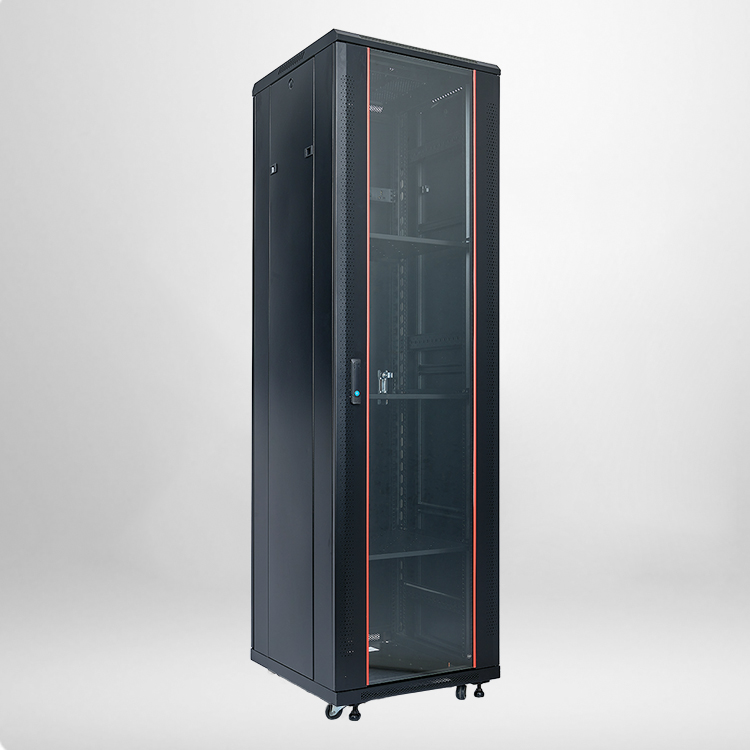
Server racks are standardized metal frames designed to securely mount and organize IT equipment in a vertical configuration. The most common standard is the 19-inch wide rack, with height measured in “rack units” (U), where 1U equals 1.75 inches (44.45 mm). A typical full-height rack is 42U tall, which can accommodate dozens of servers and other devices in a single footprint.
Unlike standalone tower servers or desktop computers, server racks provide a centralized, organized environment for IT equipment. They are engineered to support the weight of heavy hardware, facilitate proper airflow for cooling, and simplify cable management. In 2026, modern server racks have evolved far beyond basic metal frames—many now include integrated power distribution, smart monitoring systems, and advanced cooling features to support high-density AI workloads, which have pushed average rack density to 27 kW per rack, up from 16 kW in 2025.
Core Functions and Key Uses of Server Racks
Server racks serve multiple critical purposes in IT infrastructure, addressing the most pressing challenges faced by data centers and enterprises today. Below are the essential functions that make them indispensable in 2026.
1. Space Optimization and High-Density Computing
The most fundamental use of server racks is maximizing space efficiency. By stacking equipment vertically, server racks allow organizations to consolidate dozens of servers into a single floor space. This is particularly valuable in data centers, where real estate is expensive and in high demand. A single 42U rack can replace an entire room of tower servers, reducing floor space requirements by up to 80%.
This space efficiency has become even more critical in 2026 as AI workloads drive the need for higher compute density. Hyperscale data centers and cloud providers are now deploying racks with power densities exceeding 40 kW to support GPU-intensive AI training clusters. Server racks provide the structural integrity and standardized form factor needed to safely house these high-density configurations, ensuring that every square foot of data center space is used effectively.
2. Enhanced Physical Security and Access Control
IT equipment contains sensitive data and represents a significant financial investment, making physical security a top priority. Server racks provide a secure enclosure for critical hardware, protecting it from unauthorized access, theft, and accidental damage. Most modern racks feature lockable doors and side panels, allowing IT managers to control who can access the equipment inside.
In 2026, many server racks also include advanced security features such as biometric access control, door status sensors, and video surveillance integration. These features are particularly important for colocation facilities, government agencies, and financial institutions that handle highly sensitive data. By securing equipment at the rack level, organizations can implement granular access controls and maintain a comprehensive audit trail of all physical access to their IT infrastructure.
3. Improved Cooling and Thermal Management
Heat is the enemy of IT equipment—excessive temperatures can cause hardware failures, reduce performance, and shorten the lifespan of servers and other devices. Server racks are designed to facilitate proper airflow and thermal management, ensuring that equipment operates within safe temperature ranges.
Most server racks feature a front-to-back airflow design, with cool air drawn in through the front and hot air exhausted out the back. This design works seamlessly with hot-aisle/cold-aisle cooling systems, which are standard in modern data centers. In 2026, as rack densities continue to rise, many server racks now include integrated cooling solutions such as rear-door heat exchangers and in-rack liquid cooling systems. These advanced cooling technologies allow organizations to safely operate high-density AI racks while maintaining energy efficiency and reducing overall cooling costs.
4. Simplified Cable Management and Maintenance
A disorganized mess of cables can cause numerous problems, including poor airflow, increased risk of accidental disconnections, and difficulty troubleshooting issues. Server racks include built-in cable management features such as cable trays, vertical cable managers, and cable rings to keep power and network cables organized and out of the way.
Proper cable management not only improves airflow and reduces the risk of downtime but also simplifies maintenance and upgrades. IT technicians can easily identify and access individual cables, making it faster to replace faulty equipment or add new servers. In 2026, many server racks also include color-coded cable management systems and labeling features to further streamline operations and reduce human error.
5. Centralized Power Distribution and Redundancy
Server racks provide a centralized platform for power distribution, allowing organizations to efficiently deliver power to all their IT equipment. Most racks include rack-mounted power distribution units (PDUs) that provide multiple outlets for servers and other devices. Advanced PDUs offer features such as remote monitoring, power metering, and individual outlet control, allowing IT managers to track power usage and remotely reboot devices.
Redundancy is another critical benefit of server rack power distribution. By using redundant PDUs and uninterruptible power supply (UPS) systems, organizations can ensure that their IT equipment remains powered even during a utility outage. This is essential for businesses that require 99.9% or higher uptime, such as e-commerce platforms, healthcare providers, and financial institutions.
Emerging Trends in Server Racks for 2026
As IT infrastructure evolves, server racks are also evolving to meet new demands. Below are the key trends shaping the server rack market in 2026.
Smart Racks with Integrated Monitoring
The rise of the Internet of Things (IoT) has led to the development of “smart racks” that include integrated sensors and monitoring systems. These sensors track temperature, humidity, power usage, airflow, and door status in real time, providing IT managers with complete visibility into their rack infrastructure. Smart racks can send alerts when conditions exceed predefined thresholds, allowing organizations to address potential issues before they cause downtime.
Modular and Scalable Designs
Modular server racks are becoming increasingly popular as organizations seek flexible, scalable IT infrastructure. Modular racks allow businesses to add or remove components as their needs change, without having to replace the entire rack. This modular approach reduces upfront costs and makes it easier to scale infrastructure incrementally, which is particularly beneficial for small and medium-sized businesses.
Liquid-Cooled Racks for AI Workloads
As AI workloads continue to drive up rack densities, air cooling is reaching its limits. Liquid cooling is emerging as the preferred solution for high-density AI racks, as it is much more efficient at removing heat than air cooling. In 2026, liquid-cooled server racks are becoming mainstream, with many data center operators deploying rear-door heat exchangers and direct-to-chip liquid cooling systems to support GPU-intensive workloads.
Frequently Asked Questions (FAQs) About Server Racks
Q1: What is the standard size of a server rack?
A: The most common standard for server racks is 19 inches wide, with height measured in rack units (U). A full-height rack is typically 42U tall (73.5 inches), while half-height racks are 22U tall. Rack depths vary, but common depths are 600mm, 800mm, 1000mm, and 1200mm, with deeper racks used for larger servers and storage devices.
Q2: How much weight can a server rack hold?
A: The weight capacity of a server rack depends on its construction and design. Standard server racks typically have a weight capacity of 1,000 to 2,000 pounds (450 to 900 kg). Heavy-duty racks designed for high-density AI workloads can support weights of 3,000 pounds (1,360 kg) or more. It is important to ensure that the rack’s weight capacity exceeds the total weight of the equipment it will house.
Q3: What is the difference between a server rack and a server cabinet?
A: The terms “server rack” and “server cabinet” are often used interchangeably, but there is a subtle difference. A server rack typically refers to an open frame with four vertical posts, while a server cabinet is an enclosed structure with doors and side panels. Cabinets provide better physical security and noise reduction, while open racks offer better airflow and easier access to equipment.
Q4: How long do server racks last?
A: High-quality server racks are built to last for 10 to 15 years or more, which is significantly longer than the lifespan of the servers and other equipment they house. The lifespan of a rack depends on factors such as construction quality, operating environment, and maintenance. Racks made from heavy-gauge steel with durable powder coating will last longer than cheaper, lighter-weight alternatives.
Q5: Can server racks be used for edge computing?
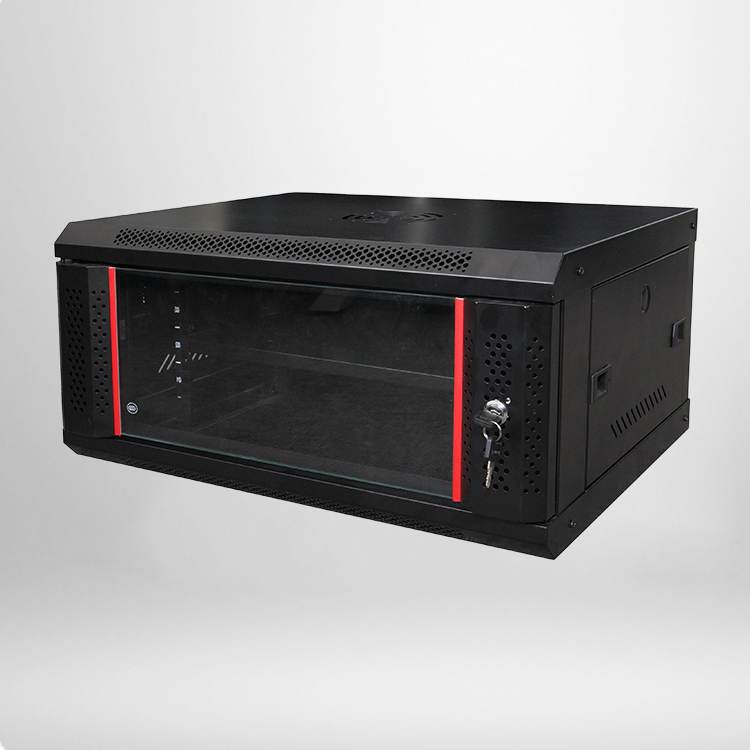
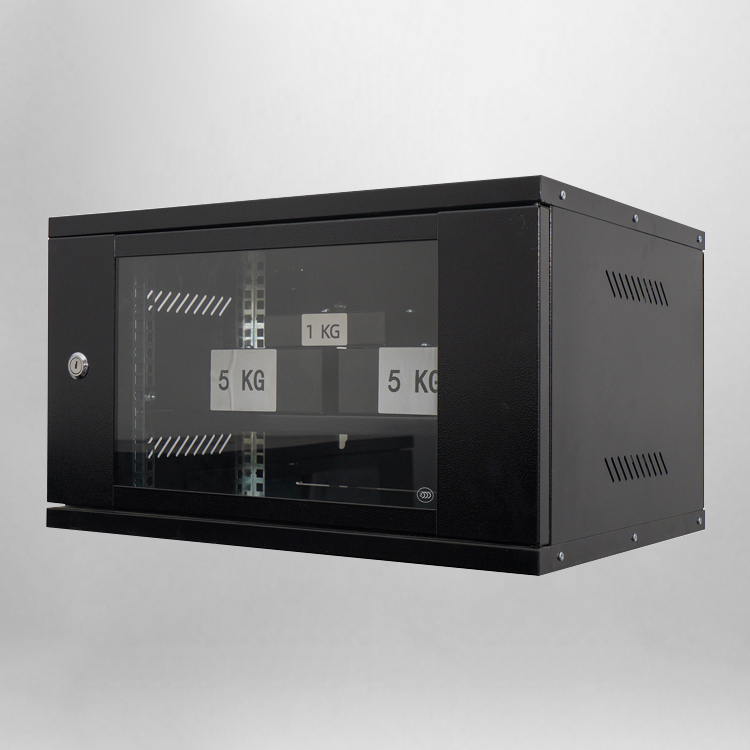
A: Yes, server racks are ideal for edge computing deployments. Edge computing requires IT infrastructure to be located close to end users to reduce latency, which often means deploying equipment in non-traditional locations such as retail stores, factories, and cell towers. Compact, wall-mounted server racks and small freestanding racks are perfect for these edge locations, providing a secure, organized environment for edge servers and network equipment.
In 2026, server racks are more than just metal frames—they are the foundation of modern IT infrastructure. Their ability to optimize space, enhance security, improve cooling, simplify management, and support high-density AI workloads makes them indispensable for data centers and enterprises of all sizes. As the global demand for computing power continues to grow, the server rack market will continue to expand, driven by innovations in smart monitoring, modular design, and liquid cooling.
For organizations looking to build or upgrade their IT infrastructure, investing in high-quality server racks is a wise decision that will deliver long-term value. By choosing the right server racks for their specific needs, businesses can ensure that their IT infrastructure is reliable, efficient, and scalable, positioning them for success in the digital age.