
A fixed TV wall mount bracket is the most popular home TV mounting solution on the market. Unlike tilt or full-motion brackets that offer adjustable angles, fixed mounts keep your TV flat and tight against the wall. This minimalist design delivers a clean aesthetic, saves space, and usually provides stronger load-bearing capacity than flexible alternatives.
Standard fixed brackets are engineered to fit mainstream consumer televisions, with unified VESA mounting hole standards, uniform structural designs, and consistent weight thresholds. These universal specifications make it easy for ordinary users to match equipment without professional customization. However, every bracket has clear size and weight limits, which are the core factors that determine installation safety.
Key Factors That Determine TV and Bracket Compatibility
Before selecting a mount, simply judging by TV size is not enough. Multiple physical parameters jointly decide whether a TV can be safely installed. Below are the three most critical factors for matching a fixed TV wall mount bracket with your television.
1. Screen Diagonal Size Range
Most standard fixed wall mounts are designed for mainstream TV sizes ranging from 32 inches to 75 inches. Small-sized TVs under 32 inches usually have lightweight bodies and can adapt to most universal brackets, while large screens over 75 inches require heavy-duty reinforced fixed mounts to ensure stability. Using a regular standard bracket for an oversized TV will cause excessive bearing pressure and hidden safety hazards.
2. Overall TV Weight
Weight is more important than screen size when it comes to installation safety. New-generation LED and LCD TVs are thin and lightweight, but large-size models still weigh significantly. A regular standard fixed bracket typically supports a maximum load of 35kg to 40kg. If the TV’s total weight exceeds the bracket’s rated load, the mounting panel may deform, and the screw holes may loosen over time.
3. VESA Mounting Hole Spacing
VESA spacing refers to the standard hole distances on the back of the TV for wall mounting. Common specifications include 100x100mm, 200x200mm, 300x300mm, and 400x400mm. Qualified fixed TV wall mount bracket products support multiple universal VESA standards, covering almost all mainstream TVs on the market. Mismatched VESA spacing will make installation impossible, even if the size and weight match perfectly.
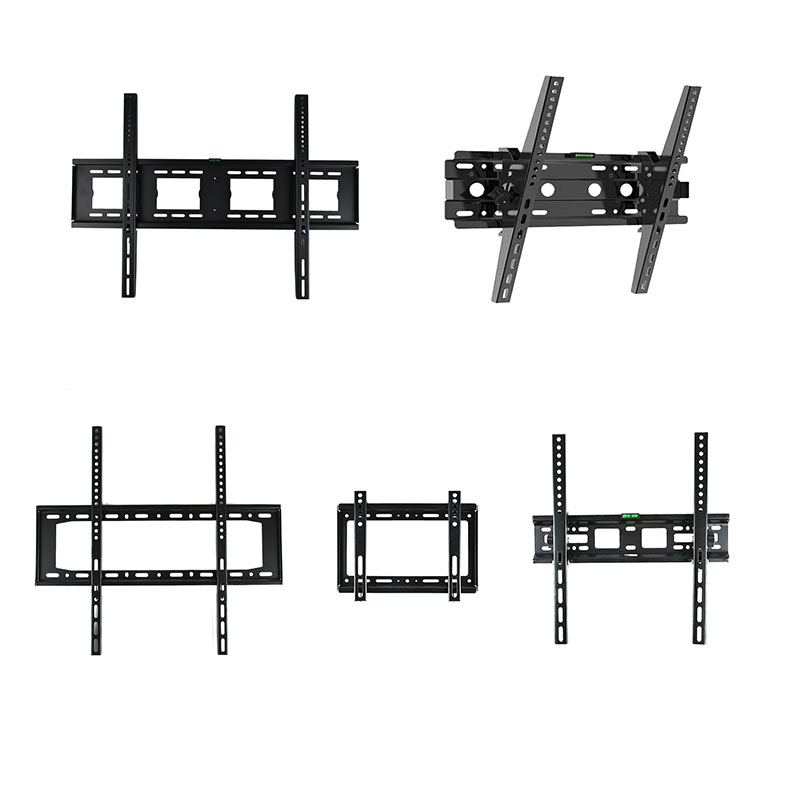
Standard Fixed TV Wall Mount Bracket Official Compatibility Specs
To help users quickly complete model matching and avoid selection errors, here are the universal industry parameters for standard fixed TV wall mounts. These data apply to most mainstream civilian brackets and serve as a reliable reference for home installation.
|
Parameter Item
|
Standard Specification
|
Compatible TV Range
|
|---|---|---|
|
Applicable TV Size
|
32 – 75 inches
|
Most household LED/LCD smart TVs
|
|
Max Load Capacity
|
40kg / 88lbs
|
Exceeds weight of most 75-inch civilian TVs
|
|
VESA Hole Support
|
100x100mm to 400x400mm
|
Covers mainstream TV brands and models
|
|
Wall Fit Distance
|
15mm ultra-slim design
|
Creates neat, gapless wall mounting effect
|
|
Material Thickness
|
1.5mm cold-rolled steel
|
Anti-deformation and durable for long-term use
|
Common Mistakes in TV Bracket Size Matching
Many installation safety risks stem from simple matching errors. The first mistake is blindly pursuing large-size compatibility. Some users use a basic standard mount for an 85-inch ultra-large TV, ignoring load limits. The second mistake is neglecting VESA hole standards, resulting in purchased brackets that cannot be installed. The third mistake is overlooking wall bearing conditions, installing heavy TVs on fragile hollow walls without reinforcement.
A qualified fixed TV wall mount bracket can fully meet the installation needs of conventional household TVs as long as it matches the size, weight and hole position correctly. There is no need to over-purchase heavy-duty professional brackets for small and medium-sized screens, which saves costs while ensuring safety.
FAQs About Fixed TV Wall Mount Bracket Size Compatibility
1. Can a standard fixed TV wall mount bracket fit a 32-inch smart TV?
Yes. 32-inch TVs are within the most adaptable size range for standard fixed brackets. These TVs are lightweight and have standard VESA hole spacing, making them perfectly compatible with universal fixed wall mounts. The installation is stable and the overall appearance is neat.
2. Is a standard fixed bracket suitable for 75-inch large screens?
It depends on the TV weight. Most mainstream 75-inch lightweight LED TVs weigh below 40kg and work well with standard fixed brackets. For older heavy LCD 75-inch TVs or ultra-thick high-definition models, users need to check the exact weight to avoid overloading the bracket.
3. Do all TV brands share the same VESA mounting standard?
Mainstream brands including Samsung, LG, Sony, TCL and Hisense all follow unified VESA international standards. A universal fixed TV wall mount bracket supports most brand models on the market, with almost no compatibility barriers for regular household sizes.
4. What happens if the TV is heavier than the bracket’s load limit?
Overload installation will cause gradual deformation of the bracket steel plate, loose fixing screws, and increased gaps between the TV and the wall. In severe cases, the TV may tilt or even fall off, causing equipment damage and personal safety risks.
5. Should I choose a fixed or tilt mount for regular home use?
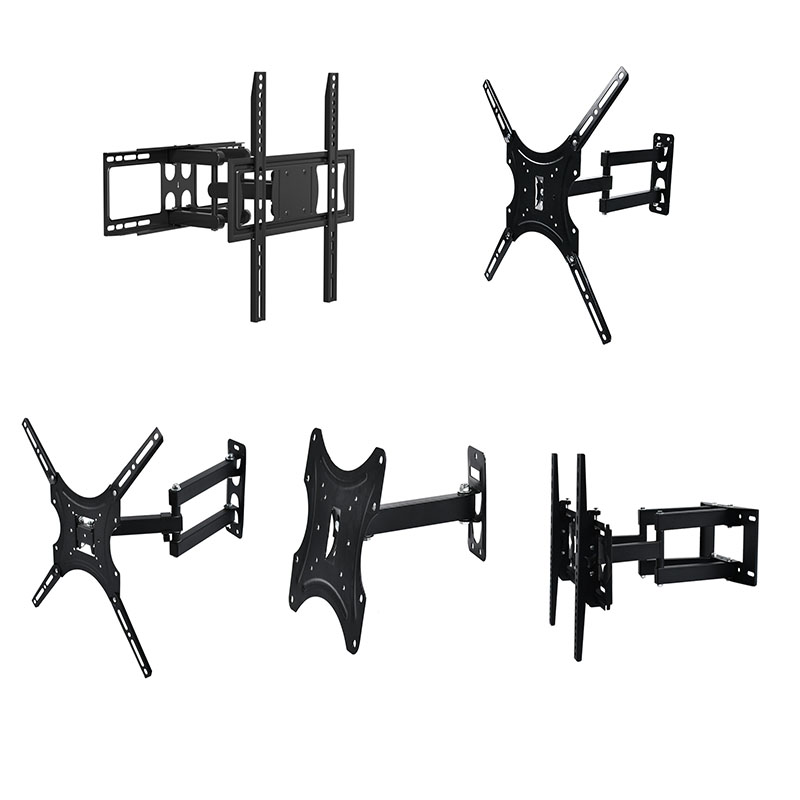
For most families with fixed viewing positions, a fixed bracket is more suitable. It provides higher stability, a slimmer wall-mounted effect, and stronger load capacity. Tilt or movable brackets are only necessary for scenes requiring multi-angle viewing adjustment.
At the end of the day, matching your TV size and weight with the right bracket is the foundation of safe and beautiful wall mounting. You don’t need complicated professional knowledge, just check the screen size, overall weight, and VESA hole specifications before purchasing. A properly matched fixed TV wall mount bracket will keep your TV stable for years, maintain a tidy home viewing environment, and completely avoid unnecessary installation accidents.