
For any IT project, maintenance cost is a long-term recurring expense that far exceeds the one-time procurement cost in most cases. Unplanned equipment downtime, component damage, heat dissipation failures, and wiring chaos are the main factors that push up maintenance costs, and most of these problems stem from unqualified server cabinet configurations. A standard, well-made server cabinet solves these underlying risks from the source, forming a stable protection barrier for servers, switches, and storage devices.
Low-quality cabinets often use thin steel plates, unstable structures, and non-standard heat dissipation and dustproof designs. After 1-2 years of use, they are prone to deformation, rust, poor ventilation, and loose mounting rails. These small problems will gradually evolve into equipment short circuits, overheating downtime, and hardware wear, requiring frequent manual inspection, part replacement, and emergency maintenance. In contrast, a certified server cabinet with standardized parameters can maintain stable performance for more than 5-8 years, minimizing subsequent maintenance investment.
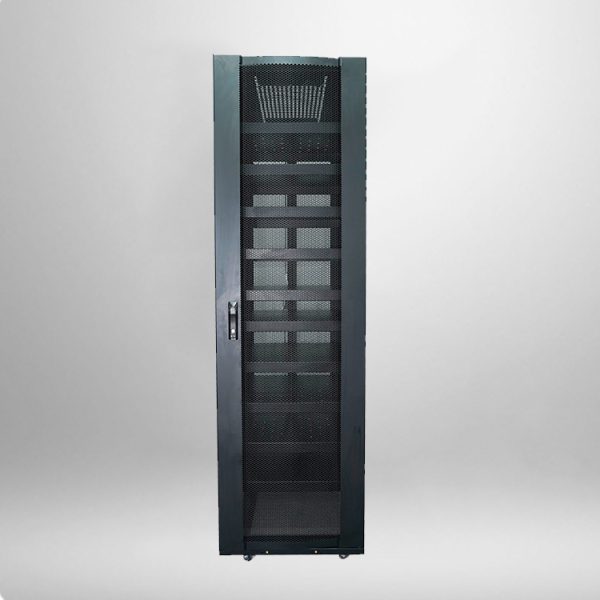
Key Quality Parameters of a Standard Server Cabinet
The cost-saving advantage of a high-quality server cabinet is based on standardized production and strict quality control. The following parameter table shows the core specifications of industry-grade server cabinets that comply with ANSI/EIA 310-D and IEC 60297 standards, which are key indicators to distinguish high-quality products from inferior ones.
|
Parameter Item
|
Industry Standard Specification
|
Low-Quality Cabinet Specification
|
Cost-Saving Impact
|
|---|---|---|---|
|
Standard Compliance
|
ANSI/EIA 310-D, 19-inch international standard
|
Non-standard size, inconsistent mounting spacing
|
Avoids equipment installation deviation and subsequent refitting costs
|
|
Main Material
|
High-quality SPCC cold-rolled steel plate, anti-rust electrostatic spraying
|
Thin recycled steel, ordinary paint, easy rust and deformation
|
Reduces cabinet replacement frequency and structural maintenance
|
|
Load Capacity
|
800-1000KG static load, stable four-post structure
|
300-500KG static load, easy rail bending
|
Prevents equipment tilt and hardware damage caused by structural instability
|
|
IP Rating
|
IP20 standard, effective dust and foreign object prevention
|
No formal IP rating, large gap for dust entry
|
Reduces equipment dust failure and cleaning maintenance costs
|
|
Heat Dissipation Design
|
Top and side ventilation holes + reserved fan mounting position
|
Single ventilation structure, poor air circulation
|
Avoids equipment overheating downtime and thermal aging damage
|
Three Core Ways High-Quality Server Cabinets Cut Long-Term Maintenance Costs
1. Reduce Hardware Failure Rates and Emergency Maintenance
Server hardware is extremely sensitive to operating environments. Dust accumulation, high temperature, and structural vibration are the three main killers of server equipment. A qualified server cabinet has a scientific dustproof structure and multi-dimensional heat dissipation design, which can keep the internal operating temperature of the cabinet within a safe range and reduce dust adhesion on circuit boards. Meanwhile, the high-load rigid structure avoids vibration and extrusion during equipment operation. These designs greatly reduce the probability of server crash, short circuit, and hard disk damage, thereby cutting expensive emergency maintenance and hardware replacement costs.
2. Avoid Iterative Refitting and Compatibility Costs
Many IT projects need to upgrade and expand equipment in 2-3 years. Non-standard low-quality cabinets often have inconsistent mounting hole spacing and irregular internal dimensions, which cannot adapt to new server and network equipment specifications. Enterprises have to spend extra money to modify the cabinet or replace it directly, resulting in repeated investment. High-quality server cabinets follow unified 19-inch international standards, with highly compatible mounting rails and reserved expansion space, which can adapt to most mainstream equipment upgrades, eliminating repeated refitting and replacement costs in the later stage.
3. Lower Labor Maintenance Time Costs
Chaotic wiring, difficult heat dissipation adjustment, and frequent fault inspection brought by inferior cabinets will consume a lot of working time of IT maintenance personnel every month. High-quality server cabinets are equipped with professional wire management grooves, reasonable internal zoning, and easy-to-disassemble structural designs. They can standardize equipment wiring, simplify daily inspection and troubleshooting work, and greatly improve maintenance efficiency. The saved labor time can be invested in more valuable IT operation and optimization work, indirectly reducing the hidden labor cost of project operation.
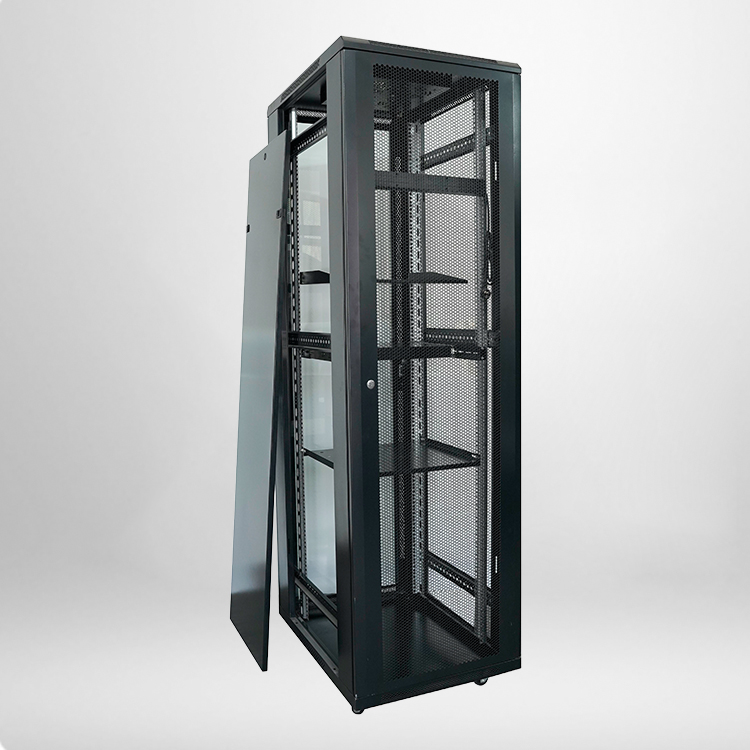
Frequently Asked Questions About Server Cabinet Maintenance and Cost Savings
1. Is an expensive server cabinet really worth the extra upfront investment?
Yes. Although high-quality server cabinets have a 20%-30% higher upfront procurement cost than ordinary products, they can reduce more than 60% of long-term maintenance and failure loss costs. Inferior cabinets need maintenance or replacement in 2-3 years, while standard high-quality cabinets can be used stably for more than 8 years, with almost no additional maintenance investment in the middle period, and the overall cost performance is far higher than low-cost products.
2. What problems will unqualified server cabinets cause to IT projects?
Unqualified cabinets will lead to equipment overheating downtime, dust-induced circuit failure, structural deformation and equipment extrusion damage, wiring chaos leading to difficult troubleshooting, and incompatibility with subsequent equipment upgrades. These problems will not only increase direct maintenance costs but also cause business interruption losses, which will bring greater economic losses to IT projects.
3. What core standards should be checked when purchasing a server cabinet?
First, confirm whether it complies with ANSI/EIA 310-D 19-inch international standard to ensure equipment compatibility. Second, check the material and load capacity to avoid structural deformation. Third, verify the IP dustproof rating and heat dissipation design to ensure long-term stable equipment operation. Finally, confirm the wire management structure and expansion space to meet later project upgrade needs.
4. How often does a high-quality server cabinet need routine maintenance?
A standard high-quality server cabinet only needs simple dust cleaning and structural inspection every six months to one year. There is no need for frequent parts replacement and structural maintenance. In contrast, low-quality cabinets need monthly dust cleaning and quarterly structural inspection, with high long-term maintenance frequency and cost.
5. Can a qualified server cabinet reduce server downtime risks?
Absolutely. Most server downtime is caused by overheating, dust failure, and unstable placement. A high-quality server cabinet optimizes heat dissipation, dust prevention and structural stability from the source, effectively avoiding spontaneous downtime caused by environmental factors, ensuring continuous and stable operation of IT projects, and reducing economic losses caused by business suspension.
To sum up, choosing a high-quality server cabinet is a typical long-term cost-saving investment rather than a waste of budget. Many enterprises only see the high upfront cost of qualified cabinets but ignore the huge hidden consumption of inferior products in maintenance, failure loss and equipment replacement. For any long-term IT project, a standardized, stable and durable server cabinet can stabilize the infrastructure foundation, reduce repeated operating costs, and create greater long-term value for project operation.